384

Author
infoAliment
Share on


Published on
2026 March 04
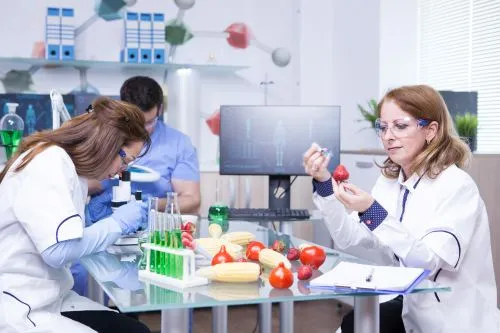
The food industry is entering a new stage of development, in which products are no longer designed for generic consumers but for individuals with specific nutritional needs. The concept of hyper-personalized foods is based on the integration of genetic, metabolic and behavioral data to create products tailored to each person’s biological profile.
This trend is supported by the emerging field of personalized nutrition, which uses information about individual characteristics—genetic, metabolic or medical—to formulate specific dietary recommendations and food products. Advances in genomics and “omics” technologies make it possible to analyze how the body responds to different nutrients, paving the way for foods adapted to each individual.
In practice, hyper-personalized foods can be developed based on complex metabolic analyses. For example, certain genetic variations may influence how the body metabolizes caffeine, vitamin D or saturated fats, allowing the composition of foods to be adjusted to the consumer’s metabolic profile.
Digital technologies play an essential role in this transformation. Platforms based on artificial intelligence can analyze data derived from genetic testing, medical history, the intestinal microbiome or lifestyle patterns. Based on this information, systems can generate personalized nutritional recommendations or guide the production of foods with formulas specifically tailored for each user.
In the future, the production of hyper-personalized foods could involve flexible industrial facilities capable of rapidly adjusting recipes, nutrient quantities or ingredient combinations. This approach could contribute to the prevention of metabolic diseases, the optimization of physical performance and the improvement of overall nutritional quality.
Although the concept is still in an early stage of development, advances in genomic technologies, artificial intelligence and food processing indicate that hyper-personalized foods could become one of the most important directions for the food industry in the coming decades.
(Photo: Freepik)
Did you learn something new from this article?
Read also: