445

Author
infoAliment
Share on


Published on
2026 March 12
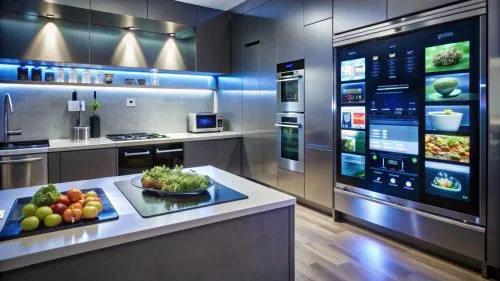
Technology is increasingly influencing the way people buy, store, and consume food. One of the most visible examples is the emergence of smart refrigerators, appliances that integrate sensors, digital connectivity, and mobile applications to manage household food supplies more efficiently.
These devices can monitor the contents of the refrigerator, suggest recipes based on the ingredients available, and send notifications when certain products are approaching their expiration date. Some models even include internal cameras, allowing users to check the contents of the refrigerator directly from their mobile phone while shopping.
One of the most important benefits of this technology is the reduction of food waste. According to estimates by international organizations, a significant portion of discarded food comes from households, where products are often forgotten or purchased in excess. By monitoring stocks and managing expiration dates, smart systems can contribute to a more efficient use of food.
In addition to monitoring functions, smart refrigerators can be connected to shopping planning applications or online delivery services. As a result, users can create automated shopping lists or order products when stocks are running low.
For consumers, these technologies are gradually changing the way food management is organized in households. Meal planning, stock management, and waste reduction are becoming digitally assisted processes.
In the long term, the integration of smart appliances into everyday life could transform the kitchen into a connected space, where technology supports more efficient and sustainable food consumption.
(Photo: Freepik)
Did you learn something new from this article?
Read also: