571

Author
infoAliment
Share on


Published on
2026 April 23
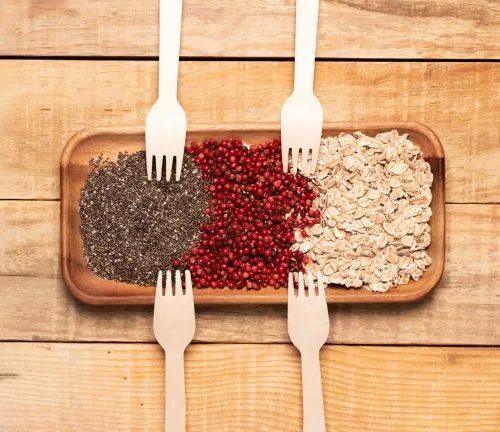
In the food industry, power does not begin in the factory or in retail. It begins much earlier: with the seed.
The global seed market has become increasingly concentrated over the past two decades. According to data from the OECD and the European Commission, a few multinational groups control a significant share of the genetic material used in agriculture worldwide, particularly in segments such as corn, soybeans, rapeseed, and vegetables.
This model offers clear benefits: higher yields, disease resistance, climate adaptation, and production predictability. Farmers gain access to high-performance varieties, while the food industry benefits from more stable raw material flows.
The problem arises when genetic diversity declines and dependence on a small number of suppliers increases. In many cases, hybrid or patented seeds cannot be reused, forcing farmers to purchase new material every year.
In a geopolitical context, this concentration becomes even more relevant. Trade disruptions, international conflicts, or export restrictions can affect access to seeds precisely at critical moments.
For Europe, this vulnerability is amplified by climate pressure and the objectives of the Green Deal. Reducing pesticide use and adapting crops requires high-performance genetics, but also strategic autonomy.
In Romania, the issue is rarely discussed, even though the impact is direct. Agriculture exports raw materials but remains dependent on essential external inputs.
At the same time, initiatives aimed at preserving traditional seeds and developing local agricultural research programs are increasing. However, these remain limited compared to the financial power of major global players.
In the future, food competition will not begin on store shelves. It will begin in the laboratories developing genetic material.
And those who control seeds can influence the entire food supply chain.
(Photo: Freepik)
Did you learn something new from this article?
Read also: