363

Author
infoAliment
Share on


Published on
2025 October 14
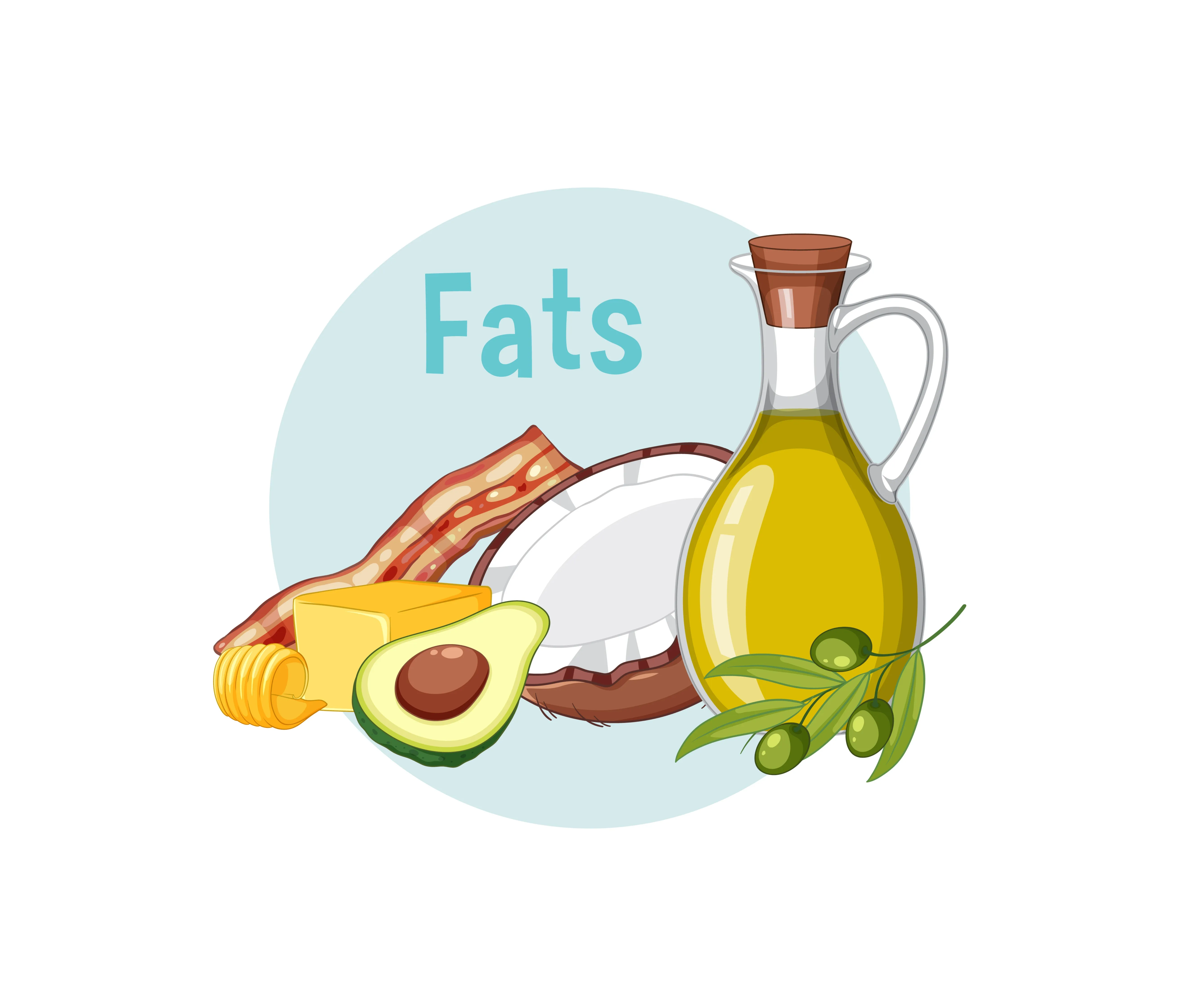
The terms “good fats” and “bad fats” are frequently used in nutritional recommendations, but often without clear explanations. For consumers, understanding the differences between types of fats is essential for a balanced diet — especially as cardiovascular diseases remain the leading cause of mortality in Romania.
“Bad” fats are generally considered to be saturated and trans fats. Saturated fats are found in high amounts in fatty meats, butter, cream, aged cheeses, and certain pastry products. In excess, they can increase LDL cholesterol levels (the “bad” cholesterol) and the risk of cardiovascular disease. Even more harmful are trans fats, which occur mainly in industrially processed foods (e.g. hydrogenated margarines, snacks, fast-food products). Like other EU member states, Romania has adopted regulations limiting trans fatty acid content to a maximum of 2g per 100g of total fat in foods.
On the other hand, “good” fats are the unsaturated ones – monounsaturated and polyunsaturated – found in olive oil, cold-pressed sunflower oil, avocado, fatty fish (salmon, mackerel, sardines), and seeds. These help regulate cholesterol levels, have anti-inflammatory effects, and support brain and cardiovascular functions.
For consumers, the key is balance: not the total elimination of fats, but replacing harmful ones with healthy sources. Reading labels carefully, choosing gentle cooking methods (avoiding excessive frying), and opting for minimally processed foods are simple yet important steps.
For processors, adapting recipes and reducing trans fats are not only a legal obligation but also a sign of nutritional responsibility. Clear labeling and honest communication of real benefits can positively influence consumer choices.
(Photo: Freepik)
Did you learn something new from this article?
Read also: