1356

Author
infoAliment
Share on


Published on
2026 May 08
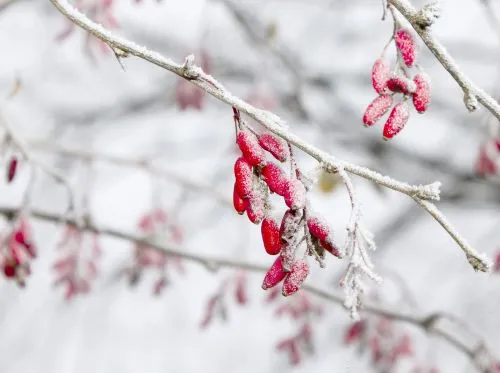
Seasonality, one of the traditional pillars of the food industry, is beginning to lose its relevance. Products that were once strictly tied to harvest periods are now available year-round, and this transformation is supported by major technological and logistical advances.
At a global level, supply chains have become increasingly integrated. According to the FAO, over 20% of the food consumed worldwide is the result of international trade, a share that continues to grow. In the European Union, the single market enables rapid flows of agri-food products between member states, reducing dependence on local seasonal production.
Preservation technologies play a key role. Modified Atmosphere Packaging (MAP), rapid freezing, and active packaging extend product shelf life without significantly compromising quality. At the same time, controlled-environment agriculture — including high-tech greenhouses and vertical farming — enables continuous production regardless of climate conditions. According to a MarketsandMarkets report, the global vertical farming market is expected to exceed USD 20 billion by 2027.
Logistics has become just as important as production. Modern cold chain systems reduce losses and allow long-distance transport without product degradation. In Europe, investments in cold chain infrastructure have accelerated after 2020, particularly in the fresh segment.
The result is a market in which consumers no longer perceive seasonality as a limitation. Exotic fruits, greenhouse vegetables, and processed products are constantly available, and the differences between “in season” and “off-season” are becoming increasingly blurred.
However, this evolution comes at a cost. Increased energy consumption, carbon footprint, and dependence on imports raise questions about sustainability. Seasonality does not disappear entirely — but it becomes an economic variable rather than a natural one.
(Photo: Magnific)
Did you learn something new from this article?
Read also: