545

Author
infoAliment
Share on


Published on
2025 October 06
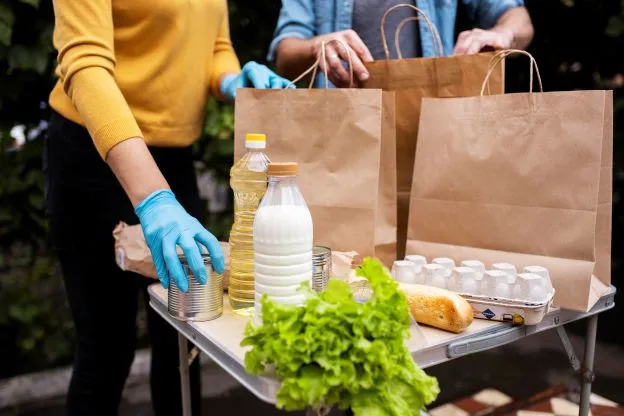
Food packaging has become a strategic field for the European food industry, standing at the intersection of sustainability, safety, and technological innovation. In the context of new regulations on reducing plastic waste and carbon emissions, Romanian producers must rapidly adapt their packaging processes in order to remain competitive.
According to the European Commission, packaging accounts for 36% of all plastic waste generated annually in the European Union. The proposed 2025 Packaging and Packaging Waste Regulation (PPWR) requires that by 2030 all packaging placed on the EU market must be reusable or fully recyclable. For Romania, this objective implies a profound transformation of the production and distribution chain.
Eurostat data shows that only 39% of packaging waste is recycled in Romania, compared with a European average of 64%. The lack of selective collection infrastructure and the absence of economic incentives for responsible producers remain major challenges. At the same time, consumer pressure for eco-friendly packaging is steadily increasing.
According to the European Environment Agency, the transition to green packaging could reduce CO₂ emissions in the food sector by up to 25% by 2030. Producers adopting compostable materials or smart packaging (with traceability sensors and extended durability) are already experiencing sales growth of 10–15%, according to FAO.
In Romania, more and more companies are exploring the use of starch- or cellulose-based bioplastics, as well as smart packaging that indicates product freshness. These technologies not only reduce environmental impact but also enhance consumer trust in food safety.
To accelerate the transition, collaboration between producers, retailers, and authorities is essential. Integrating sustainable packaging into funding programs under the 2023–2027 CAP Strategic Plan and implementing the nationwide deposit–return system could make a decisive difference.
The packaging industry is no longer a final step in production but a strategic element of the branding and competitiveness of Romanian food. Through innovation, responsibility, and swift adaptation to European regulations, Romania can become a regional example of a circular economy applied to the food sector.
(Photo: Freepik)
Did you learn something new from this article?
Read also: