757

Author
infoAliment
Share on


Published on
2025 August 11
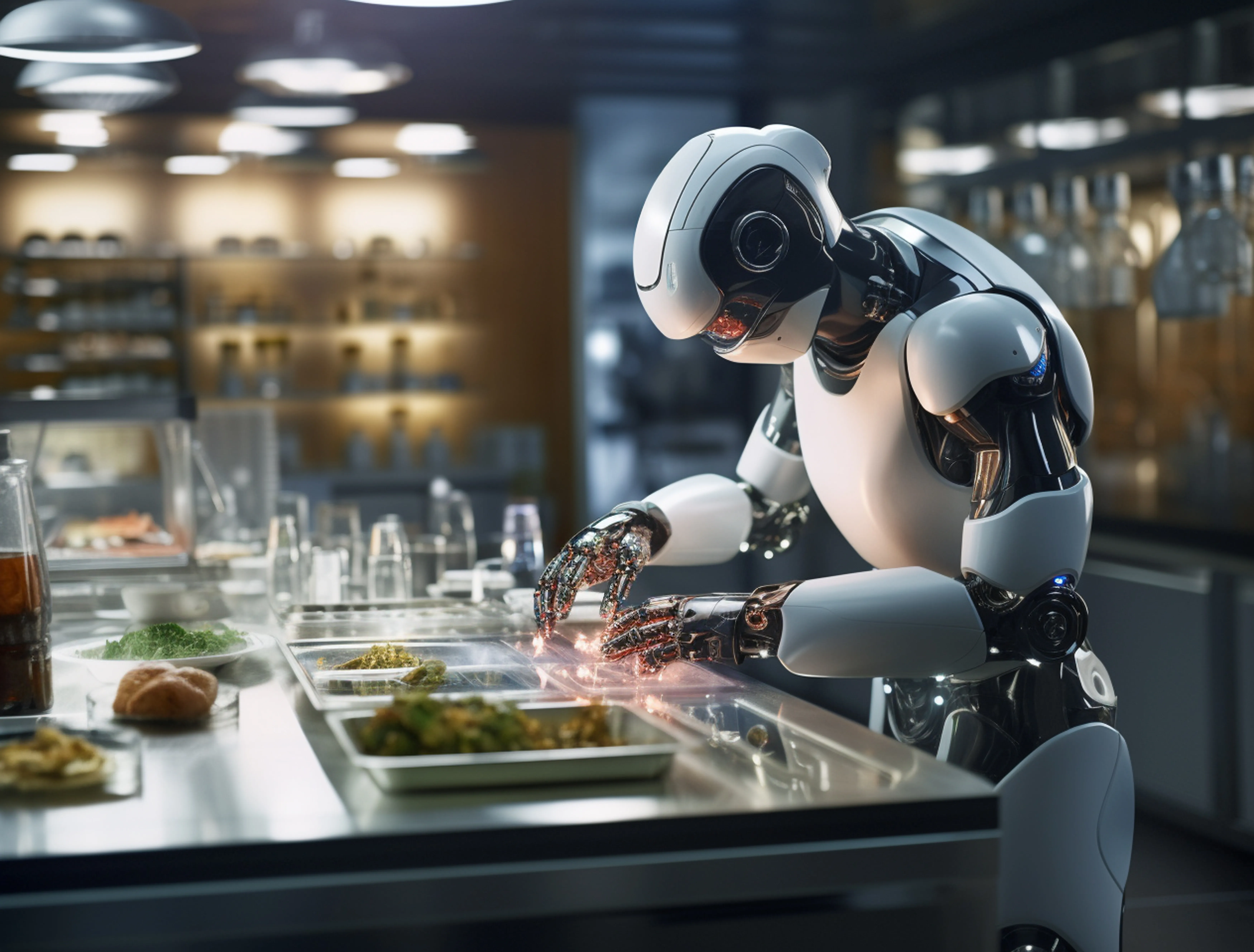
Artificial intelligence (AI) is finding more and more applications in the food industry, from automating production processes to demand analysis and distribution optimization. According to a PwC report from 2023, the use of AI can reduce operational costs by up to 20% in food processing units and increase the accuracy of demand forecasts by over 35%.
In processing, AI is used for detecting visual defects in products, real-time quality control, and automatic adjustment of production parameters. In the meat industry, sensors connected to algorithms can detect variations in texture, fat content, or color with an accuracy of over 90%, according to a study published by the FAO.
For retailers, AI plays an essential role in inventory management and sales forecasting. Machine learning solutions analyze historical data, seasonality, and purchasing behavior to adjust orders and reduce losses from unsold or expired products.
On farms, AI is integrated into precision agriculture systems: drones, multispectral cameras, and plant or disease recognition software optimize fertilization, irrigation, and crop protection. These solutions, supported through European programs, can reduce resource consumption by 15–25%.
The integration of AI requires initial investments, but the long-term benefits—efficiency, traceability, food safety—justify these costs. In the coming years, AI will become an essential tool for modernizing Romania’s food industry and maintaining competitiveness within the EU.
(Photo: Freepik)
Did you learn something new from this article?
Read also: