96

Author
infoAliment
Share on


Published on
2026 March 13
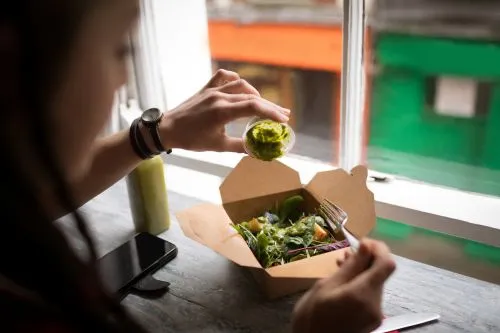
Urban life has profoundly changed eating habits. The accelerated rhythm of cities, busy schedules, and increased mobility have created a clear need: fast, but high-quality food. As a result, a new consumption model has emerged—balanced urban nutrition, where speed no longer means nutritional compromise.
More and more companies are developing products within the fresh food or ready-meal gourmet categories, designed for immediate consumption but prepared with carefully selected ingredients. Fresh salads, nutritious bowls with whole grains, vegetable-based dishes, or smartly packaged complete meals are becoming increasingly common in modern retail. These products respond to a growing demand for balanced meals that can be consumed at the office, on the move, or between meetings.
Another rapidly expanding segment is that of protein and functional snacks. Protein bars, mixes of nuts and seeds, high-protein yogurts, or snacks based on natural ingredients are becoming alternatives to traditional snacks high in sugar or fats. Urban consumers are looking for products that provide quick energy, while also supporting a healthy lifestyle.
Retailers and the food industry are responding to this transformation by developing new consumption concepts: dedicated ready-to-eat sections in stores, fast-service restaurants based on fresh ingredients, or digital platforms delivering balanced meals directly to offices or homes.
As a result, urban nutrition is evolving into a culture of balance between speed and quality. For the modern consumer, food is no longer just a necessity, but an important component of lifestyle—one that must simultaneously offer taste, health, and efficiency.
(Photo: Freepik)
Did you learn something new from this article?
Read also: