95

Author
infoAliment
Share on


Published on
2026 March 11
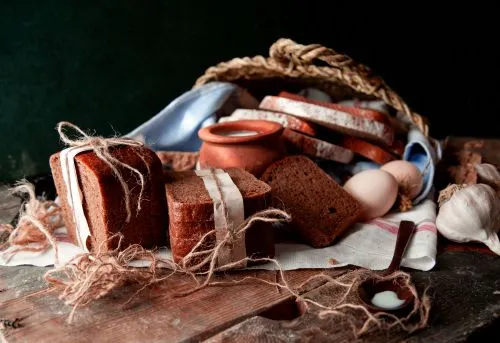
In recent years, the European food market has experienced significant growth in interest for artisanal products. From aged cheeses and traditional bakery products to cured meats or preserves produced in small batches, consumers are increasingly willing to pay a higher price for products perceived as authentic, local, and carefully crafted for quality.
This evolution reflects an important shift in consumer behavior. In a market long dominated by standardized products, a growing segment of the public is seeking foods with identity and a story. The origin of ingredients, the production method, and the connection to a particular region or gastronomic tradition are becoming essential elements in purchasing decisions.
Artisanal products are often associated with traditional production methods, local raw materials, and less industrialized processes. For consumers, these characteristics convey a sense of authenticity and transparency. In addition, many artisanal products are produced in limited quantities, which contributes to the perception of exclusivity and superior quality.
Another factor supporting this trend is the development of the local economy and short food supply chains. Local markets, specialized shops, and online platforms dedicated to small producers facilitate consumers’ access to products sourced directly from farmers or independent processors.
For the food industry, the growing interest in artisanal products represents both an opportunity and a challenge. On one hand, these products can generate higher added value and help differentiate offerings in a competitive market. On the other hand, maintaining quality standards, traceability, and food safety remains essential, even in small-scale production.
In the long term, the increasing interest in artisanal products indicates a broader trend: consumers are not looking only for food, but for gastronomic experiences and products that reflect local culture and identity.
(Photo: Freepik)
Did you learn something new from this article?
Read also: