358

Author
infoAliment
Share on


Published on
2025 October 30
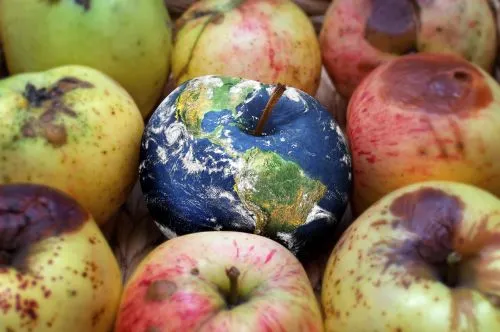
Climate change is increasingly influencing food production and safety. According to FAO (2024), extreme weather events — droughts, floods, and heatwaves — have reduced global agricultural yields by approximately 8% over the past decade, particularly affecting cereal and feed production.
In Europe, the European Environment Agency (EEA) warns that rising average temperatures and decreasing water resources are disrupting agri-food chains, especially milk and meat production. Romania is among the most exposed countries in the region, with annual agricultural losses estimated at over €1 billion, according to INS and MADR.
The impact is not only economic. EFSA has reported an increased risk of microbiological contamination due to higher temperatures during food transport and storage. At the same time, severe droughts reduce the quality of animal feed, affecting both animal health and the nutritional composition of food products.
The European Union has launched several programs dedicated to adapting food systems — including Climate-Smart Agriculture (CSA) and climate resilience funding under the CAP 2023–2027. These initiatives aim to reduce carbon emissions and promote water-conservation technologies.
For Romania, the strategic direction is clear: investments in smart irrigation, green energy for farms, and diversification of local production. Adapting to new climate realities is not merely an ecological obligation, but a guarantee of food security and long-term competitiveness.
(Photo: Freepik)
Did you learn something new from this article?
Read also: