663

Author
infoAliment
Share on


Published on
2025 August 08
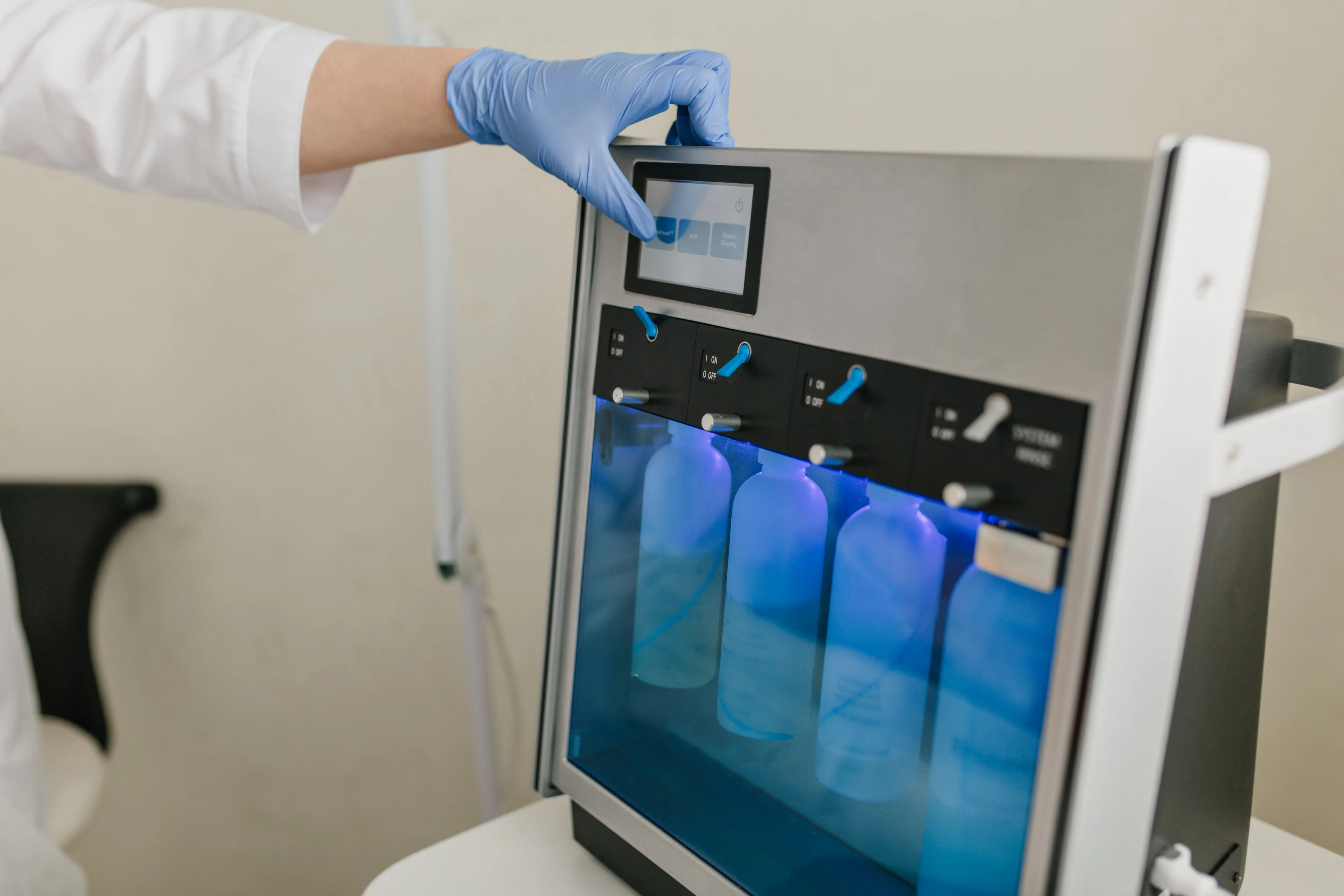
According to the World Health Organization (WHO), 600 million people worldwide fall ill each year due to food contamination. In this context, the food industry is seeking effective sterilization methods to replace chemical preservatives and meet the demand for “clean” products.
Among the most promising emerging technologies are:
• Pulsed Light Sterilization (PLS) – used for meat, eggs, and beverages, it destroys microorganisms through intense light shocks. Studies conducted by Wageningen University (2022) show up to a 99.9% reduction in bacterial contamination with Listeria monocytogenes and Salmonella.
• Cold Atmospheric Plasma (CAP) – an innovative process that uses ionized gases to destroy bacteria on product surfaces. It can be applied without altering organoleptic qualities.
• UV-C Radiation – used mainly in the beverage industry and on packaging, UV-C is effective in destroying microorganisms without leaving residues.
In Romania, several processing units have begun implementing these technologies in pilot phases. Preliminary results indicate reductions of up to 40–50% in the use of chemical sanitizers, as well as an 8–12% decrease in technological losses.
These methods are scientifically validated but require high initial investments (€50,000–€250,000 per unit), making them more accessible to medium- and large-scale processors. However, they significantly reduce losses, increase product shelf life, and lower the risk of batch recalls—essential factors in the modern economics of food safety.
(Photo: Freepik)
Did you learn something new from this article?
Read also: