728

Author
infoAliment
Share on


Published on
2026 March 18
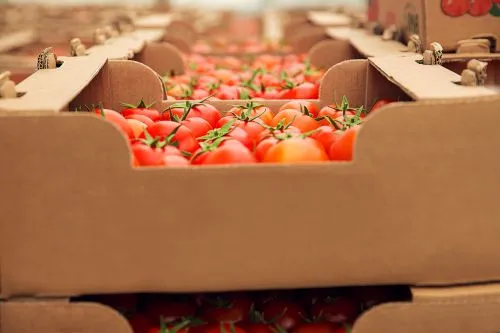
How much of a “Romanian product” is branding and how much is reality in the production chain
In recent years, the “Romanian product” label has become a strong selling argument. Consumers associate this claim with freshness, authenticity, and support for the local economy. In reality, however, the production chain behind these products is often more complex than the label suggests.
In many cases, products marketed as “local” are processed in Romania but use raw materials partially sourced from imports. The food industry operates within an integrated European system, where raw material flows are influenced by costs, availability, and seasonality. As a result, a product may be manufactured locally while incorporating ingredients from multiple countries.
Regulations allow the use of origin claims based on the place of processing or the origin of the main ingredient, creating room for commercial interpretation. At the same time, retailers and producers increasingly use symbols, colors, and messaging that suggest local origin, even when the supply chain is mixed.
For consumers, the distinction between “made in Romania” and “Romanian raw materials” becomes essential, yet it is not always clearly communicated. In this context, transparency becomes a key differentiating factor for producers.
Thus, the “local product” lies at the intersection of industrial reality and marketing strategy. In the long term, companies that can genuinely support this promise will gain a competitive advantage in a market where trust is becoming decisive.
(Photo: Freepik)
Did you learn something new from this article?
Read also: