761

Author
infoAliment
Share on


Published on
2026 March 23
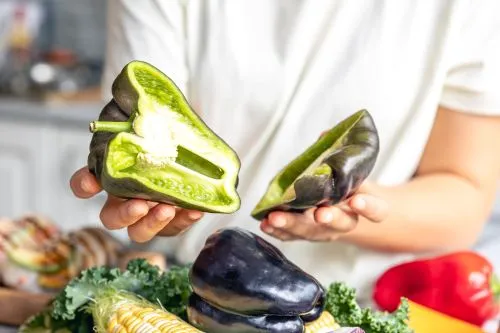
Aesthetic standards in the food industry have generated, for decades, massive waste: perfectly edible products discarded solely due to visual imperfections. Today, this “deficiency” is becoming a business opportunity.
The concept of “imperfect foods” repositions the defect as an element of authenticity. Deformed fruits and vegetables, spots or atypical sizes are reinterpreted as proof of naturalness, in contrast to industrial uniformity. Thus, imperfection becomes a selling argument.
Brands that leverage this direction use a smart mix of price and emotion. On one hand, they offer more affordable products; on the other, they build an ethical message: waste reduction, social responsibility, conscious consumption. The consumer no longer buys just a product, but a moral choice.
Psychologically, the phenomenon marks a profound shift: from visual perfection to authenticity. Younger generations reject artificial standards and value the “real”, even if imperfect. This trend goes beyond food and is reflected across multiple industries.
For retailers and producers, the model offers a double advantage: monetizing losses and differentiation in a saturated market. In a context where sustainability becomes a selection criterion, “ugly” is no longer waste — it is strategic positioning.
The defect is no longer a problem. Properly leveraged, it is an asset.
(Photo: Freepik)
Did you learn something new from this article?
Read also: