840

Author
infoAliment
Share on


Published on
2026 March 05
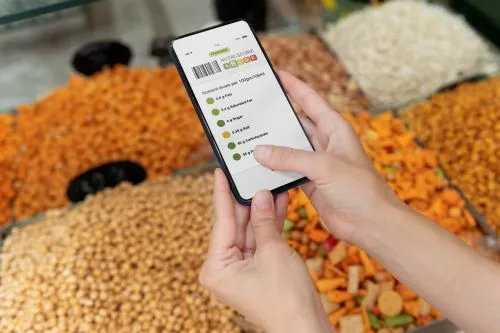
In the modern food industry, packaging is no longer just a passive element intended to protect the product. A new generation of technologies is transforming packaging into an active information system, capable of transmitting data about the actual condition of the product to both consumers and operators within the food chain. These solutions are known as intelligent packaging or smart packaging, with the central component being freshness labels and sensors.
Smart labels can incorporate chemical sensors or biosensors capable of monitoring parameters such as temperature, oxygen, carbon dioxide or pH levels inside the package. By detecting compounds generated during food degradation, these systems can directly indicate the freshness level of the product. In many cases, the information is conveyed through visible color changes, which are easy for consumers to interpret.
One of the most common mechanisms involves the use of colorimetric indicators, materials that change shade depending on the compounds released by the food product as it deteriorates. These indicators can react to variations in pH, the presence of gases or temperature fluctuations, providing a more accurate picture of the product’s condition than the expiration date printed on the packaging.
At the same time, some smart packaging solutions include RFID technologies or connected sensors, capable of transmitting data about transport and storage conditions throughout the logistics chain. In this way, producers and retailers can quickly identify interruptions in the cold chain or other conditions that could affect food safety.
The economic impact of these technologies is significant. By providing real-time information about freshness, smart labels can help reduce food waste and increase consumer confidence in purchased products. At the same time, they contribute to optimizing logistical decisions and improving traceability within the food supply chain.
In the long term, the integration of sensors, smart materials and digital systems could transform packaging into a communication platform between the product and the consumer, redefining the way food quality and safety are monitored.
(Photo: Freepik)
Did you learn something new from this article?
Read also: