740

Author
infoAliment
Share on


Published on
2026 March 25
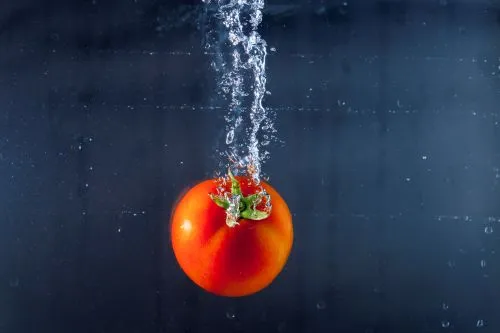
How Much Water Does Food Production Actually Consume
Beyond the nutritional label, every food product carries an invisible cost: the amount of water used to produce it. This indicator, known as the water footprint, is becoming increasingly relevant in a global context marked by water stress and growing pressure on natural resources.
The differences are significant. For example, beef production requires thousands of liters of water per kilogram, while vegetables and cereals generally have a much lower impact. However, the analysis is not only quantitative—the type of water used also matters: rainwater (green), surface or groundwater (blue), and the water required to dilute pollutants (grey).
For the industry, understanding this indicator is no longer optional. Optimizing water consumption is becoming a competitive advantage, especially in the context of European regulations and increasing demand for sustainable products. Companies that invest in efficient technologies—smart irrigation, water recycling, and optimized industrial processes—not only reduce costs but also strengthen their market positioning.
For consumers, the concept opens a new dimension in food choices. It is no longer just about calories or ingredients, but about the real environmental impact.
Ultimately, “invisible water” becomes a strategic indicator. It is not visible on the label, but it will increasingly shape the future of the food industry.
(Photo: Freepik)
Did you learn something new from this article?
Read also: