443

Author
infoAliment
Share on


Published on
2026 January 30
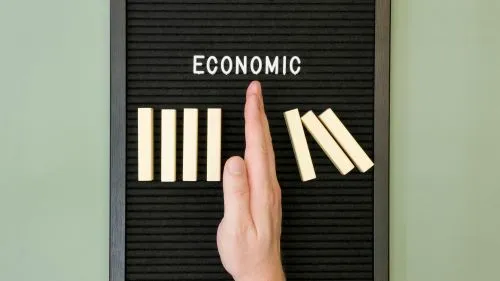
For a long time, shelf life was treated strictly as a food safety requirement. Today, in the food industry, shelf life is becoming an economic instrument with a direct impact on commercial negotiations, logistics, and access to export markets.
A longer shelf life reduces pressure on the logistics chain. Products can be transported over longer distances, stored more efficiently, and better absorb fluctuations in retail demand. For this reason, shelf life directly influences distribution costs and the level of commercial losses.
In the relationship with retailers, shelf life has become a negotiation criterion. Products with a short shelf life involve higher risks for the retailer, which translates into tougher commercial conditions for processors: returns, discounts, or limited listings. By contrast, a product with greater stability offers predictability and flexibility in supply.
For exports, shelf life is often decisive. Distant markets or those with slower logistics chains impose minimum stability requirements. Without an adequate shelf life, access to these markets becomes impossible, regardless of product quality.
Extending shelf life does not automatically mean using more additives. Process optimization, microbiological control, high-performance packaging, and mild processing technologies can all contribute significantly to product stability. In this context, shelf life is no longer just a technical parameter, but a strategic decision with major economic impact.
(Photo: Freepik)
Did you learn something new from this article?
Read also: