427

Author
infoAliment
Share on


Published on
2025 October 30
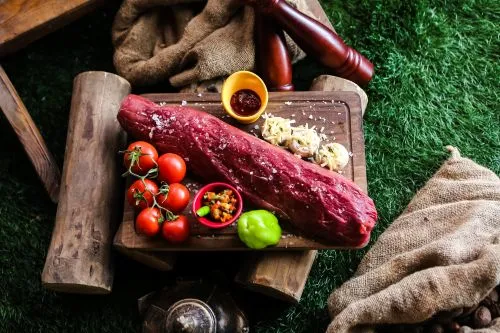
Romania’s niche meat market is beginning to take shape, driven by growing interest in dietary diversification, sustainability, and value-added products. Alongside established segments such as Mangalitsa pork and premium beef, new initiatives are emerging around game meat, ostrich, bison, and even goat — species with strong potential for integration into short supply chains and gourmet gastronomy.
Game meat — deer, wild boar, and roe deer — is appreciated for its nutritional profile (low fat content, high-quality protein) and natural origin, yet remains underexploited due to the lack of an adequate processing and distribution network. At the same time, ostrich and bison farms, though few nationwide, are testing local integration models and access to export markets, offering packaged, aged, or frozen products.
These emerging niches face multiple challenges: the absence of a suitable fiscal framework, difficulties in obtaining veterinary and sanitary authorizations, and retailers’ reluctance toward products with low volumes but high prices. Nevertheless, consumer interest in exotic, clean, and authentic products may create genuine opportunities for growth.
The development of these niches requires partnerships between breeders, processors, and academia, as well as government involvement in regulating and promoting this segment. Romania holds the advantage of rich biodiversity and largely untapped natural resources, which could transform niche meat into a cornerstone of the country’s future food strategy.
(Photo: Freepik)
Did you learn something new from this article?
Read also: