420

Author
infoAliment
Share on


Published on
2025 October 13
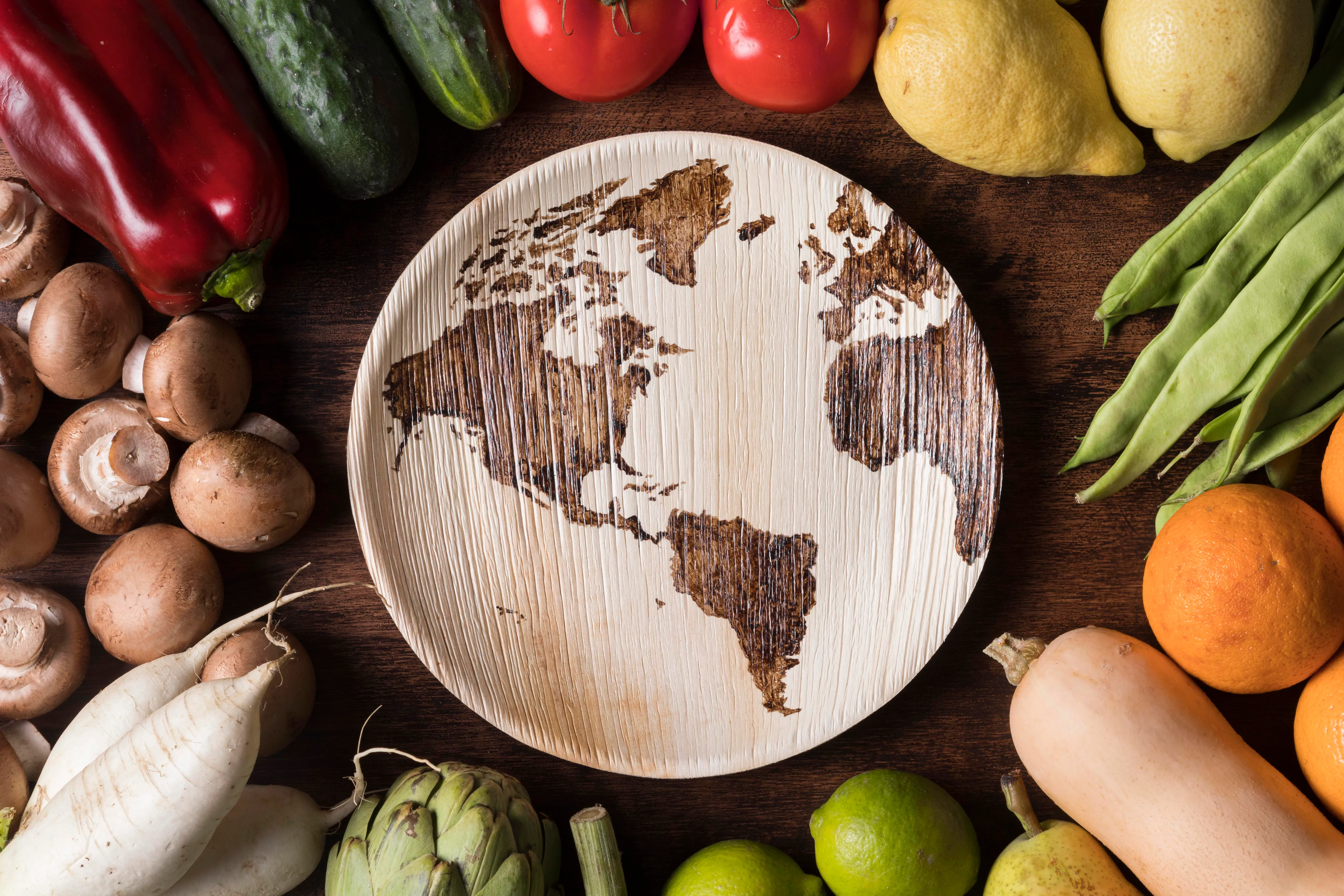
The global market for alternative proteins is expanding rapidly, driven by growing concerns over health, sustainability, and carbon footprint reduction. Across Europe — and gradually in Romania — modern consumers are becoming increasingly open to plant-based and even lab-grown meat products, supported by emerging EU regulations in the field.
According to the FAO, global plant-based protein production grew by 17% between 2020 and 2024, while the European alternative meat industry is now valued at over €15 billion. The European Commission estimates that by 2030, plant-based products could account for 10% of total protein consumption within the Union.
In Romania, the transition is slower but clearly visible. INS data show that the plant-based product segment — including burgers, soy or oat drinks, and yogurt alternatives — grew by 12% in 2024, supported by young urban consumers and modern retail chains. However, in the absence of clear regulations, labeling and marketing practices have sparked debates over the use of terms such as “meat,” “milk,” or “yogurt” in commercial names.
The EFSA and the European Commission are preparing new legislation on the safety of cell-based and novel protein foods, following the examples of the United States and Singapore, where the first lab-grown meat products have already been approved. In Europe, the authorization process remains more cautious, grounded in comprehensive health risk assessments.
According to the World Health Organization (WHO), reducing the intake of processed meat and diversifying protein sources can lower the risk of cardiovascular disease and promote a more balanced diet. However, this transition must be carefully managed to prevent economic disruptions for traditional farmers and processors.
For Romania, the development of this emerging segment represents a strategic opportunity, provided it is integrated into local production chains. Investments in research, innovation incubators, and partnerships between universities, start-ups, and processors could transform the alternative protein market into a competitive export sector.
The global food industry is entering a new era — one in which sustainability and innovation stand alongside tradition. Romania is only at the beginning of this transformation but holds the potential to combine local resources with future technologies, meeting the expectations of a generation of consumers redefining their relationship with food.
(Photo: Freepik)
Did you learn something new from this article?
Read also: