470

Author
infoAliment
Share on


Published on
2026 February 25
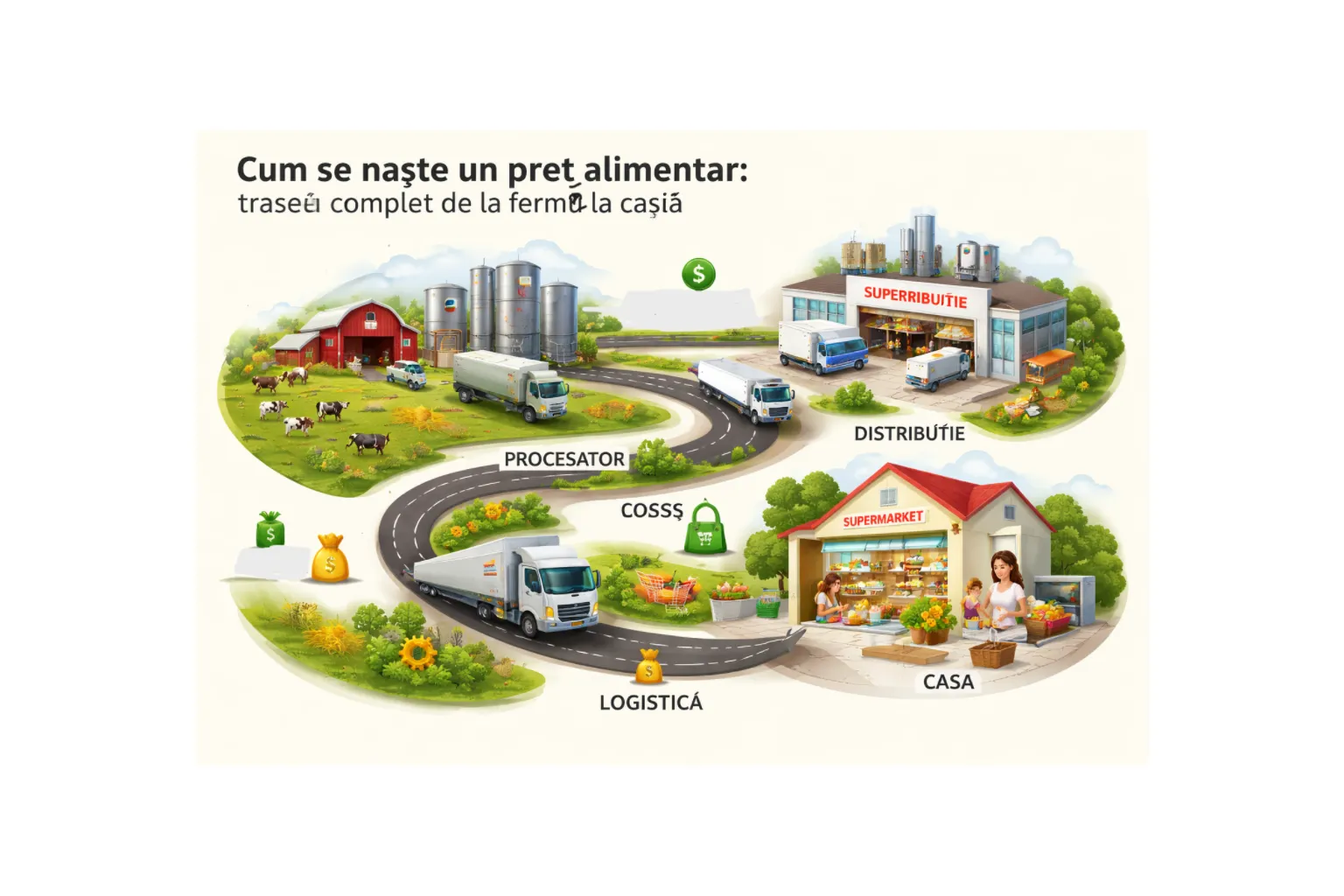
The price of a food product is the result of an economic chain, not of a single commercial decision. Taking the example of one liter of milk, the journey begins at the farm, where the cost is determined by feed, energy, labor, and the depreciation of investments.
The farmer sells the raw material to the processor at a price influenced by regional supply and contractual arrangements. The processor adds collection, testing, pasteurization, packaging, logistics, and technological loss costs. At this stage, the first industrial added value appears.
Distribution follows: transport, storage, temperature control, and handling. Each link adds operational costs and a commercial margin.
In retail, the final price includes the commercial markup, store operating costs (rent, staff, energy), risk of loss, and potential promotions. At the same time, VAT influences the price paid by the consumer.
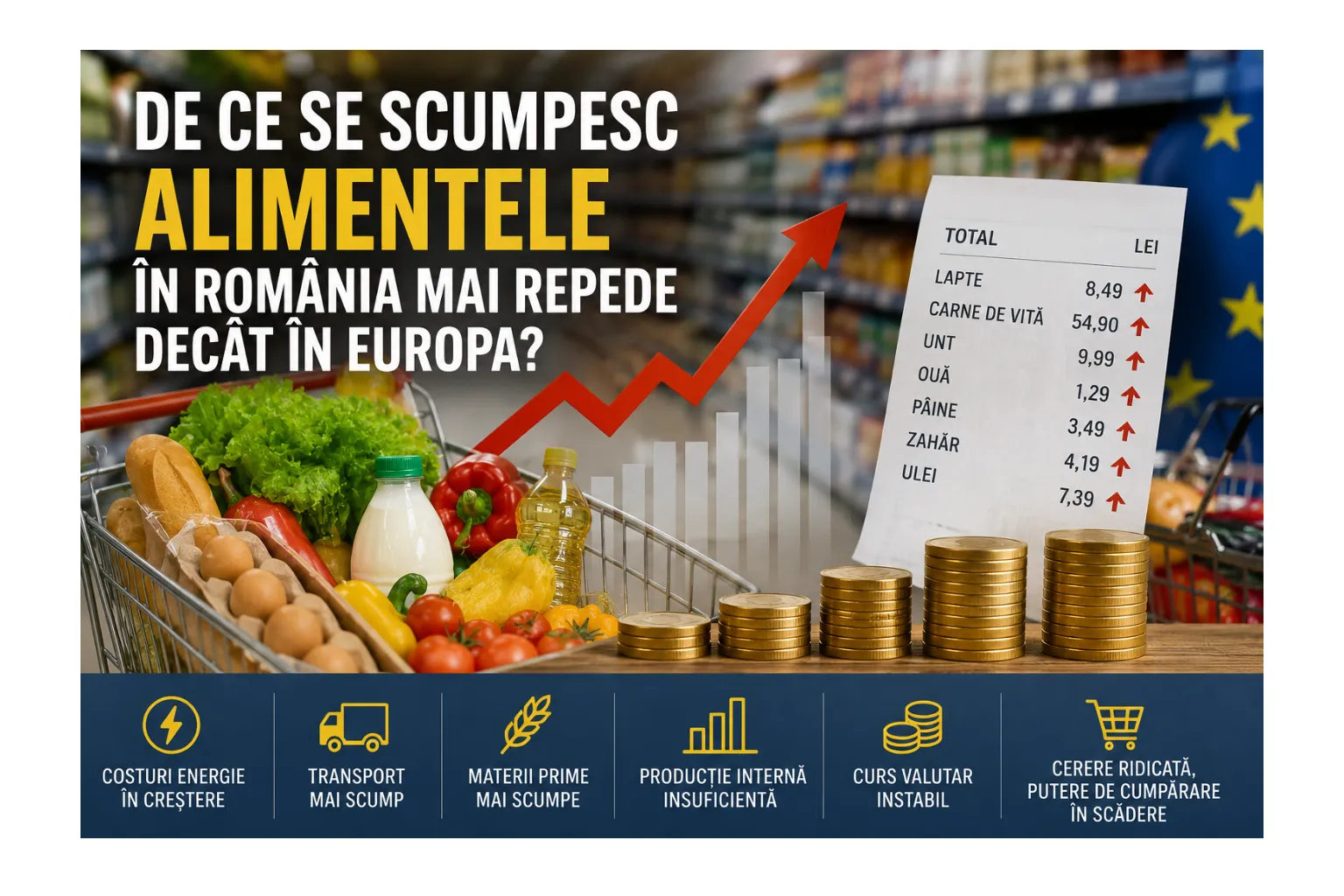
Thus, the shelf price does not reflect only the cost of the raw material, but the entire chain of transformation, risk, and tied-up capital. A fluctuation in cereal prices can alter feed costs, which affects the cost of raw milk, which in turn influences the processed price.
From an economic perspective, the food price is a dynamic equation. It is not set exclusively by the farmer or the retailer, but by the interaction between demand, costs, and bargaining power at each link in the chain.
Ultimately, the consumer sees a number on the label. Behind it lies a complex mechanism in which each actor transfers costs, risks, and margins up to the moment of purchase.
(Photo: AI GENERATED)
Did you learn something new from this article?
Read also: