461

Author
infoAliment
Share on


Published on
2026 March 02
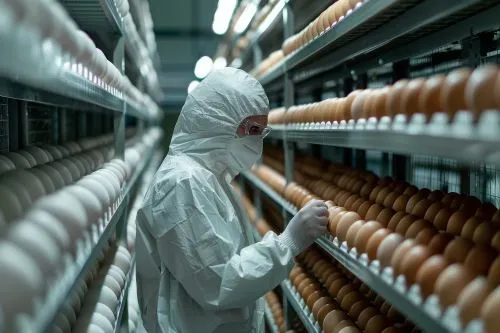
Cold storage capacity is one of the critical, yet insufficiently discussed, variables of agri-food competitiveness. According to FAO data and European Commission analyses of the food supply chain (2024–2025), post-harvest losses in the EU range between 5% and 20% depending on the category, with cold infrastructure playing a decisive role in reducing them. In the case of perishable products (meat, dairy, fish, fruit, and vegetables), temperature-controlled logistics is essential for export performance.
In Romania, investments in cold storage facilities have increased through European funds (NRDP and the 2023–2027 CAP Strategic Plan), but geographic distribution remains uneven. Areas with high primary production are not always correlated with modern storage and cross-docking capacities. The result: pressure to sell immediately, higher logistics costs, and greater vulnerability to price fluctuations.
The European temperature-controlled logistics market is expanding, driven by growing trade in chilled and frozen products. However, the capacity deficit in Central and Eastern Europe limits the regional integration of supply chains. For exporters, the lack of industrial cold infrastructure translates into additional long-distance transport costs to external hubs and margin loss in favor of intermediaries.
Strategically, “cold” is not merely technical infrastructure, but a bargaining instrument. The ability to preserve goods under optimal conditions extends the marketing window and enables access to external contracts with strict quality requirements. In the absence of this link, the competitiveness of agri-food exports remains constrained, regardless of production potential.
(Photo: Freepik)
Did you learn something new from this article?
Read also: