251

Author
infoAliment
Share on


Published on
2026 March 26
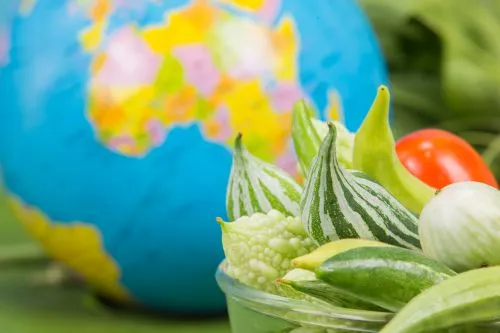
Modern food supply chains are highly dependent on imports for a range of essential ingredients: plant-based proteins, additives, oils, and processed raw materials. This dependency creates structural vulnerabilities, which are amplified in an unstable geopolitical context.
For instance, fluctuations in the supply of vegetable oils or proteins from certain regions can lead to rapid price increases and production bottlenecks. The food industry, characterized by relatively low margins, is particularly sensitive to such variations.
The risks are not only economic but also operational. Logistical delays, trade restrictions, or political instability can disrupt production continuity. In the absence of rapid alternatives, companies are forced to adjust formulations or reduce output volumes.
In the medium term, the trend is clear: diversifying sources and regionalizing production. Investments in local processing capacities and short supply chains are becoming a priority.
For companies, managing these risks requires strategy rather than reaction: long-term contracts, safety stocks, and flexibility in product formulation.
(Photo: Freepik)