Market
349
The Empty Shelf Economy: What Happens When Key Products Are Missing

Author
infoAliment
Share on


Published on
2026 February 26

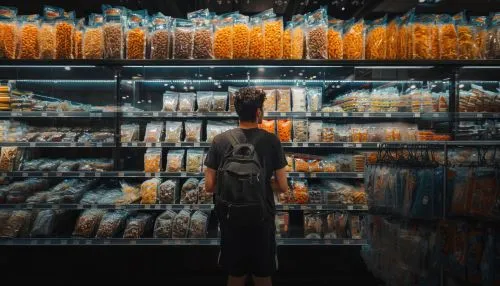
An empty shelf is not just an image problem. It is an economic disruption in the chain, with cascading effects: traffic loss, substitution, margin erosion, and production instability.
- Retail loses the traffic “magnet” Certain key products (milk, bread, eggs, oil, sugar, water, basic meat) function as reference items. When they are missing, trust declines: customers switch to competitors and move their entire shopping basket elsewhere.
- Substitution changes margins When the missing product is a high-volume item, customers buy an alternative (another brand, different pack size, private label). The retailer may gain or lose margin depending on which product “fills” the gap. The risk is significant: if the alternative is more expensive, quantity purchased may drop; if it is cheaper, the total basket value decreases.
- Producers enter operational instability Shelf shortages may result from insufficient capacity, raw material constraints, packaging issues, logistical disruptions, or commercial decisions (price, discounts, contracts). Once disruptions occur, producers lose predictability, and planning becomes costly: extra shifts, smaller batches, urgent procurement.
- The “snowball effect” emerges When consumers see empty shelves, they tend to buy more “just in case.” This behavior amplifies short-term shortages and increases pressure on warehouses and transport networks.
Conclusion: an empty shelf is not an isolated accident, but a signal of tension between demand, pricing, logistics, and capacity. In unstable periods, the winners are the chains that manage inventory more effectively and maintain solid contractual relationships with suppliers.
(Photo: Freepik)
Did you learn something new from this article?
Previous article
Next article
Read also:
Technologies
Când ambalajul costă mai mult decât produsul
Read Article 2026 April 23

Highlights

News
Când hrana devine activ financiar
Read Article 2026 April 22
Market