366

Author
infoAliment
Share on


Published on
2026 February 13
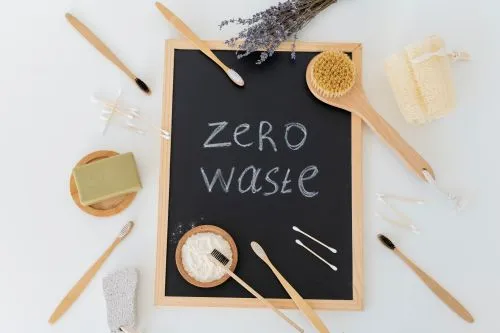
The EU food industry generates tens of millions of tons of by-products each year, and legislative pressure and energy costs are accelerating the transition toward “zero waste” models. Today, major food groups are integrating processes through which every secondary stream is economically reused.
Real examples include:
whey resulting from cheese production is transformed into concentrated proteins and lactose for the nutrition industry; bran from milling becomes ingredients for functional products or animal feed; fruit and vegetable residues are used for dietary fibers, natural colorants, or biogas.
European regulations on the circular economy and food waste reduction (Green Deal, Farm to Fork) require processors to treat waste as a resource. At the same time, disposal costs and landfill taxes are steadily increasing.
A clear trend is the integration of industrial value chains: food factories collaborate with energy producers, the feed industry, or the cosmetics sector. For example, residual oils enter biodiesel production, while plant extracts are used in food supplements.
In Romania, the potential is significant, but the valorization infrastructure remains fragmented. The fastest investments are emerging in:
biogas from organic residues industrial water recovery transforming by-products into B2B ingredients.
The “zero waste” economy is no longer just an ESG objective, but an efficiency strategy: companies that fully utilize raw materials reduce costs and create new business lines.
(Photo: Freepik)
Did you learn something new from this article?
Read also: