718

Author
infoAliment
Share on


Published on
2025 May 13
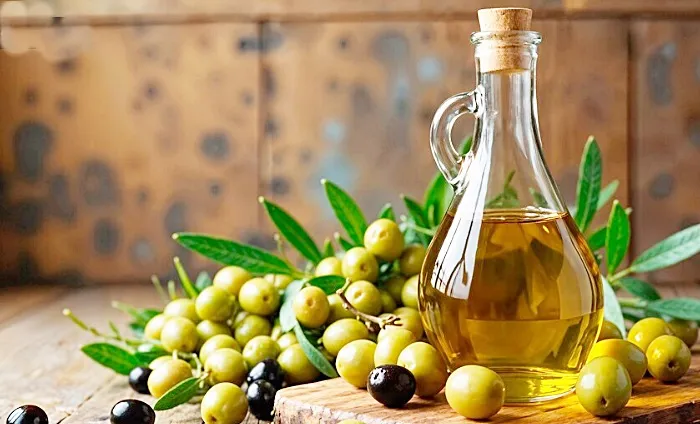
Why Olive Oil Fraud Is on the Rise—and Whether It Can Be Stopped
Food fraud is on the rise globally, with the 2025 Food Fraud Vulnerability Index reporting a significant increase in criminal activity across all sectors. While some products have largely escaped criminal interest, others—notably olive oil—have become prime targets, according to FoodNavigator.
Olive Oil: A Prime Target for Fraud
Incidents of olive oil fraud have continued to grow, with multiple reports surfacing over the past year alone. Recently, Portuguese officials seized over 16,000 liters of cooking oil falsely labeled as olive oil, along with 82,000 counterfeit labels.
In Italy, police uncovered a criminal network blending low-grade oils with chemical additives and marketing them as extra virgin olive oil, endangering consumer safety and undermining Protected Designation of Origin (PDO) and Protected Geographical Indication (PGI) certifications.
A joint investigation by Europol and 29 European countries, targeting counterfeit and substandard food and beverages, led to the dismantling of 11 criminal networks, the issuance of 104 arrest warrants, and the identification of 278 individuals reported to judicial authorities.
Among the most significant findings of this operation—codenamed OPSON XIII—were adulterated olive oil, mislabeled tuna, and expired food with falsified expiration dates.
Why Is Olive Oil a Target for Fraud?
A sharp rise in olive oil prices has made it an attractive opportunity for fraudsters, with a corresponding surge in fraudulent cases across Europe and beyond.
“You can sell a half-liter bottle of olive oil for anywhere between €20 and €70,” says Arsen Khachaturyants, CEO of Arsenio. “Fraudsters see this as an opening—they simply label cooking oil as olive oil, or olive oil as extra virgin olive oil.”
Moreover, detecting fraudulent olive oil remains highly challenging.
“Food adulteration is becoming increasingly sophisticated, with some methods altering products at the molecular level, beyond the capabilities of current lab testing—or requiring extremely costly techniques,” says Lauryna Nelkine, head of health research at WellnessPulse.
Even basic adulteration methods often go unnoticed by consumers, as long as the product appears as expected. For example, clear seed oils colored with chlorophyll (green) and carotenoids (yellow) can closely resemble authentic olive oil.
In addition, criminal gangs operate through coordinated, well-planned schemes, helping them evade detection.
A Public Health Threat
Concerns are growing over the potential health risks of adulterated olive oils, especially when chemical substances are added to alter flavor and color.
Lieutenant Colonel Michele Avagnale, commander of the Carabinieri’s Health Protection Unit (NAS) in Naples, emphasized that food fraud is not a minor issue.
“When we talk about food fraud, we’re dealing with tangible harm, not just hypothetical risks,” says Avagnale. “It poses a serious threat to public health. Criminals deceive consumers by selling products that don’t match what’s stated on the label.”
What Is the Industry Doing to Prevent Fraud?
The good news is that the olive oil industry, working closely with law enforcement authorities, is taking strong action to combat fraud.
In 2022, the European Union introduced new regulations for compliance checks on olive oil, including updated analysis methods.
Each member state is now required to conduct a minimum number of annual inspections, checking both labeling accuracy and product classification. This number is determined based on national export and consumption figures. Extra virgin olive oil is the most frequently inspected category, as it represents the largest share of EU retail sales.
“In Europe, suppliers must navigate a lot of bureaucracy to place products on supermarket shelves,” says Khachaturyants. “They must declare the product’s origin, where the company is headquartered, and where the olives are harvested and pressed.”
However, the continued presence of counterfeit olive oil on the market proves that the system is far from secure, and much more must be done.
“This isn’t just a labeling issue. It’s an escalating public health risk, a highly profitable criminal enterprise, and a wake-up call for the global supply chain,” Khachaturyants warns.
Did you learn something new from this article?
Read also: