416

Author
infoAliment
Share on


Published on
2026 February 11
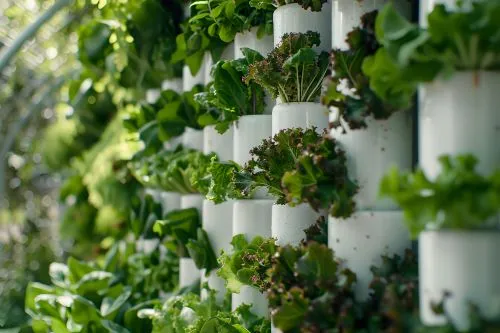
Fast urbanization and climate instability are prompting more and more cities to seek alternative solutions for the supply of fresh food. Vertical farms, based on technologically controlled indoor production, are becoming an increasingly discussed option in Europe.
These systems use LED lighting, hydroponics, and climate control to grow plants on multiple levels, regardless of the season. The advantages are clear: constant production, reduced water consumption, and the elimination of dependence on weather conditions.
For Romania, the potential is relevant in large cities, where demand for fresh and locally sourced products is steadily increasing. Vertical farms can reduce dependence on imports during the cold season and shorten logistical chains.
However, the main obstacle remains the high initial cost, particularly due to technology and energy consumption. Profitability depends on access to energy at stable prices and on firm contracts with retailers or the HoReCa sector.
The most viable crops are leafy greens, aromatic plants, and microgreens, due to their short growth cycles and high commercial value.
Vertical farms will not replace traditional agriculture, but they can become a strategic component of urban food supply. They provide predictability, traceability, and a reduced carbon footprint—factors that are increasingly important for retailers and consumers.
Development in Romania will depend on financing, partnerships, and the evolution of energy costs. In the context of growing pressure on food systems, these farms can become an essential link in urban food security.
(Photo: Freepik)