361

Author
infoAliment
Share on


Published on
2026 February 17
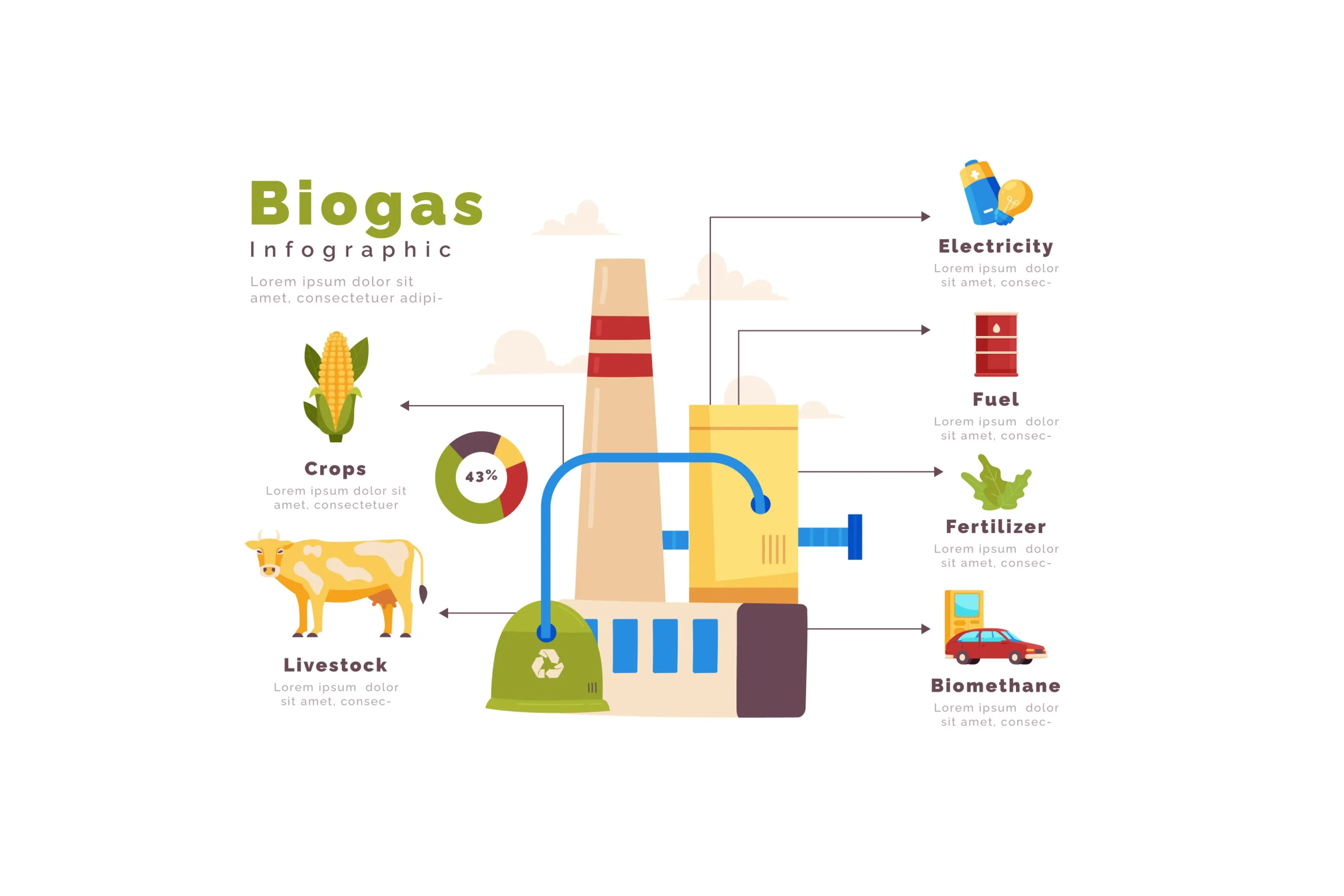
Rising energy costs and climate pressures are prompting more and more companies in the food industry to transform their production flows into energy sources. Biogas and cogeneration are no longer just efficiency solutions; they are becoming components of the business model.
Dairy factories, slaughterhouses, meat processing units and the crop sector generate large volumes of organic by-products. These can be valorized through anaerobic digestion, producing biogas used for thermal and electrical energy. At the same time, cogeneration systems allow the simultaneous use of the energy produced for technological processes and for supplying internal networks.
The economic model is supported by three factors: reduced waste disposal costs, lower dependence on market-based energy, and the valorization of green certificates or support schemes. In some European countries, food processing units that produce energy from residues manage to cover a significant share of their own consumption.
In the medium term, energy integration becomes a competitive advantage. Companies that produce energy internally can stabilize costs and reduce exposure to market volatility. In addition, ESG pressures and retailers’ requirements regarding carbon footprint are accelerating investments in such solutions.
For Romania, the potential is high, but development depends on access to financing and the stability of the legislative framework. As energy becomes a critical factor of competitiveness, the food industry is redefining its role: from a major resource consumer to an active energy producer.
(Photo: Freepik)