367

Author
infoAliment
Share on


Published on
2026 February 10
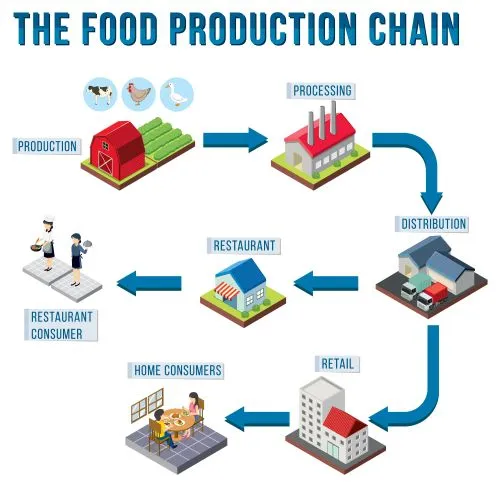
Romania’s position in the regional food chain remains defined by a paradox: a solid agricultural base, but an underutilized processing capacity. The country continues to export significant quantities of raw materials and import processed products, which indicates a structural problem of industrial integration.
In Central and Eastern Europe, competition for the role of a regional processing hub is intensifying. States that invest in technology, logistics, and industrial capacities attract raw material flows and consolidate integrated food chains. Romania has the advantage of agricultural resources, but transforming them into value-added products remains limited.
Processing is the link that determines competitiveness. Without robust industrial capacities, economic value is transferred to other markets. Investments in modern slaughterhouses, dairy plants, refrigerated logistics, and distribution infrastructure are essential for changing this positioning.
At the same time, regional integration creates opportunities. The Eastern European market is growing, and demand for processed products remains high. Romania can become a supplier of finished goods, not just raw materials, if it strengthens its industrial base and secures its trade relationships.
Transforming into a processing hub is not only an economic option, but a strategic necessity. It influences the trade balance, employment, and the stability of the food chain. Without this evolution, the role of raw material supplier will continue to limit the sector’s potential.
(Photo: Freepik)
Did you learn something new from this article?
Read also: