779

Author
infoAliment
Share on


Published on
2026 March 04
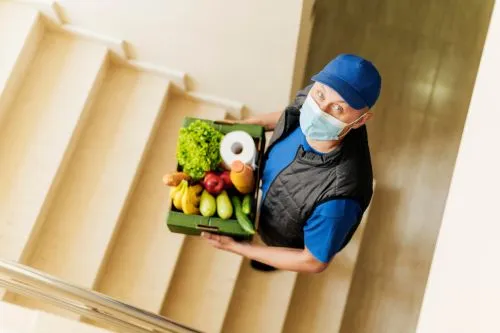
The transformation of the food trade in recent years has generated increasing pressure on supply chains. Consumers and retailers are demanding faster deliveries, fresher products and a wider variety of foods. In this context, the concept of 24-hour food logistics is becoming a strategic direction for the food industry in Central and Eastern Europe.
Currently, European food logistics is heavily dependent on cold chains and temperature-controlled transport, a segment valued at over USD 81 billion in 2026, with an estimated annual growth of around 9% in the coming years. This expansion reflects the need for infrastructure capable of delivering perishable products within increasingly shorter timeframes.
The 24-hour logistics model implies a complete reorganization of traditional flows. Instead of large warehouses located far from urban centers, logistics micro-hubs and micro-fulfillment centers are emerging close to consumption areas. These facilities enable rapid order processing and reduce transport distances.
Another essential element is the digitalization of the supply chain. IoT systems and data analytics platforms can monitor temperatures, inventory levels and transport flows in real time. At the same time, optimization algorithms can calculate efficient routes and adjust deliveries according to retail demand.
At the same time, the growth of online food commerce is accelerating the emergence of the quick commerce model, based on urban warehouses and extremely fast deliveries. This model is supported by modern logistics infrastructure and digital technologies that enable food delivery within very short timeframes.
For Central and Eastern Europe, the implementation of 24-hour food logistics depends on investments in cold chain infrastructure, warehouse automation and the digital integration of supply chains. In the long term, this model could become the standard for the distribution of fresh products, reducing food losses and improving consumer access to high-quality products.
(Photo: Freepik)
Did you learn something new from this article?
Read also: