769

Author
infoAliment
Share on


Published on
2026 April 15
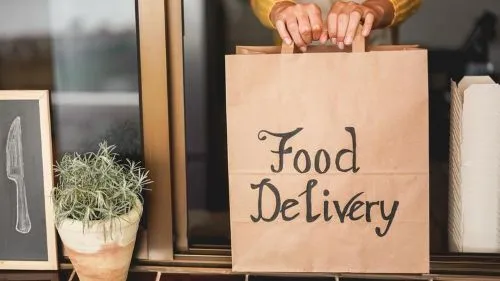
In major cities, the kitchen is beginning to lose its central role within the home. It does not disappear entirely, but becomes secondary. In its place, an extended system of outsourced food production emerges: ghost kitchens, rapid delivery services, and menus optimized for immediate consumption.
This transformation is driven by several factors: the accelerated pace of urban life, rising housing costs, and changing consumption habits. For younger generations, cooking is no longer a daily routine, but an occasional activity.
From an economic perspective, the model is efficient. Ghost kitchens eliminate costs associated with dining spaces and optimize production for delivery. At the same time, digital platforms connect supply and demand in real time, reducing response time.
However, the implications are deeper. The loss of cooking skills affects food autonomy, while dependence on delivery shifts control toward suppliers and platforms. Culinary culture, traditionally built around the family and the kitchen, is undergoing transformation.
In the long term, homes may be designed differently, with reduced cooking spaces and a focus on rapid consumption. The city thus becomes an “extended kitchen,” where production is separated from consumption.
This is not an extreme scenario, but an evolution already underway. The question is not whether we will cook less, but how much control we will retain over the way we eat.
(Photo: AI GENERATED)
Did you learn something new from this article?
Read also: