681

Author
infoAliment
Share on


Published on
2025 August 05
Romania’s Food Market in 2025: Between Adaptation and Innovation
In 2025, Romania’s food market is undergoing a phase of accelerated adaptation to economic, technological, and consumer-driven changes. According to data from the National Institute of Statistics (INS), the total value of agricultural and food production in 2024 decreased by 4.3% compared to the previous year, reaching 100.5 billion lei. The crop production segment declined by 10.1%, while animal production increased by 5.1%. These fluctuations are directly impacting prices, product supply, and retail assortment.
Estimates from Eurostat and the FAO show that the food sector contributes approximately 10% to Romania’s GDP, with a significant share coming from agri-food processing. In 2025, key market trends include growing demand for organic products, clean label foods, and sustainable packaging. Consumer preferences are shifting toward local and regional products, prompting retailers to increase the share of private label brands on the shelves.
From a modern retail perspective, NielsenIQ reports that the Romanian grocery retail market grew by 8–10% in 2024, driven by the expansion of supermarket chains and a rise in online food sales. However, inflation and high logistical costs are putting pressure on final consumer prices.
At the international level, Romania is aligning with EU regulations on sustainability and food waste reduction. According to the European Commission, Romania loses an estimated 2.55 million tonnes of food annually, generating significant economic losses and environmental impact.
Looking ahead, the competitiveness of the food industry will depend on digitalisation, process automation, and full product traceability. Companies that invest in innovation, energy efficiency, and transparent communication are expected to strengthen their market position. Forecasts point to an average annual market growth of 3–4% over the next five years, particularly in premium, organic, and functional food segments.
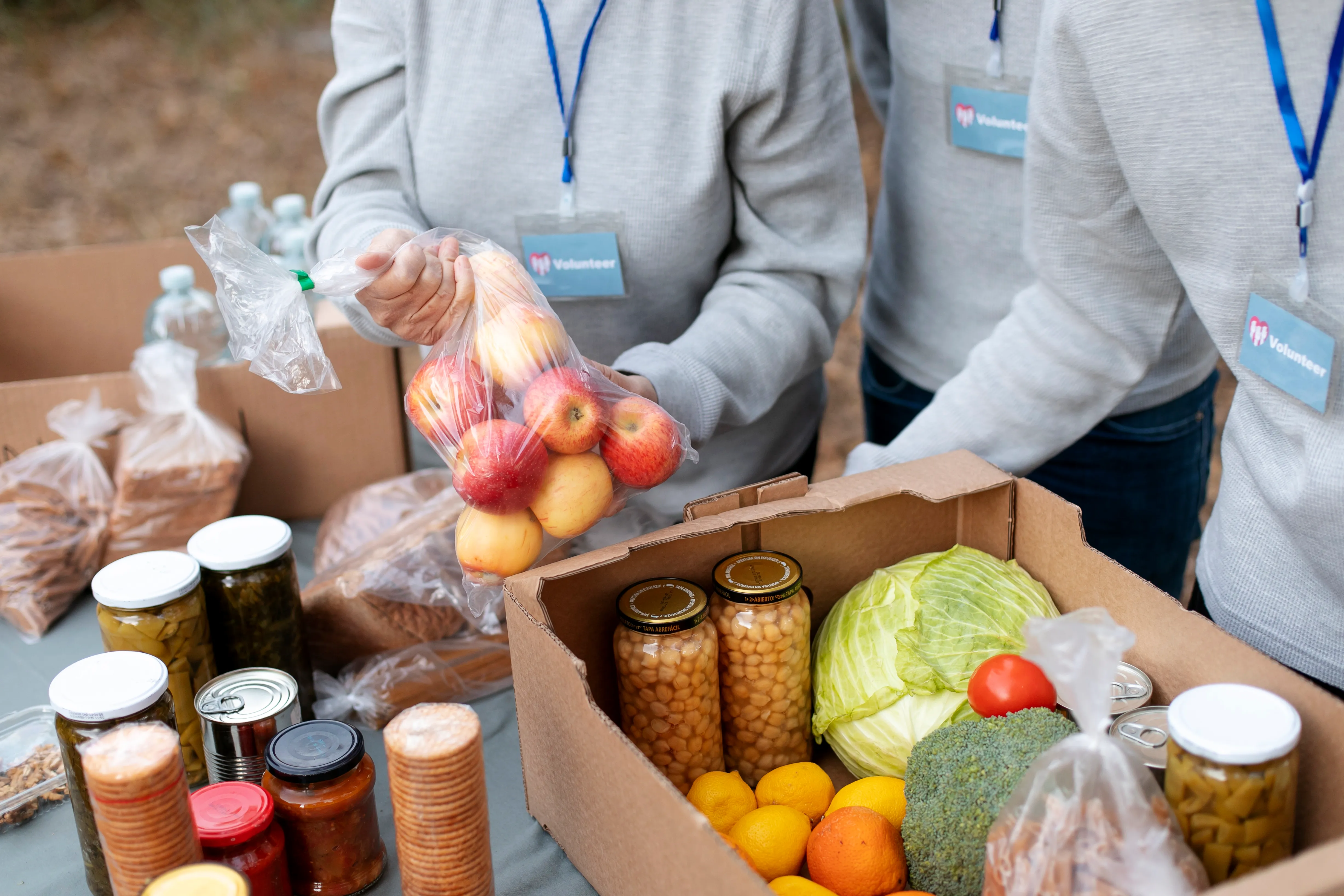
(Photo: Freepik)
Did you learn something new from this article?
Read also: