354

Author
infoAliment
Share on


Published on
2026 January 27
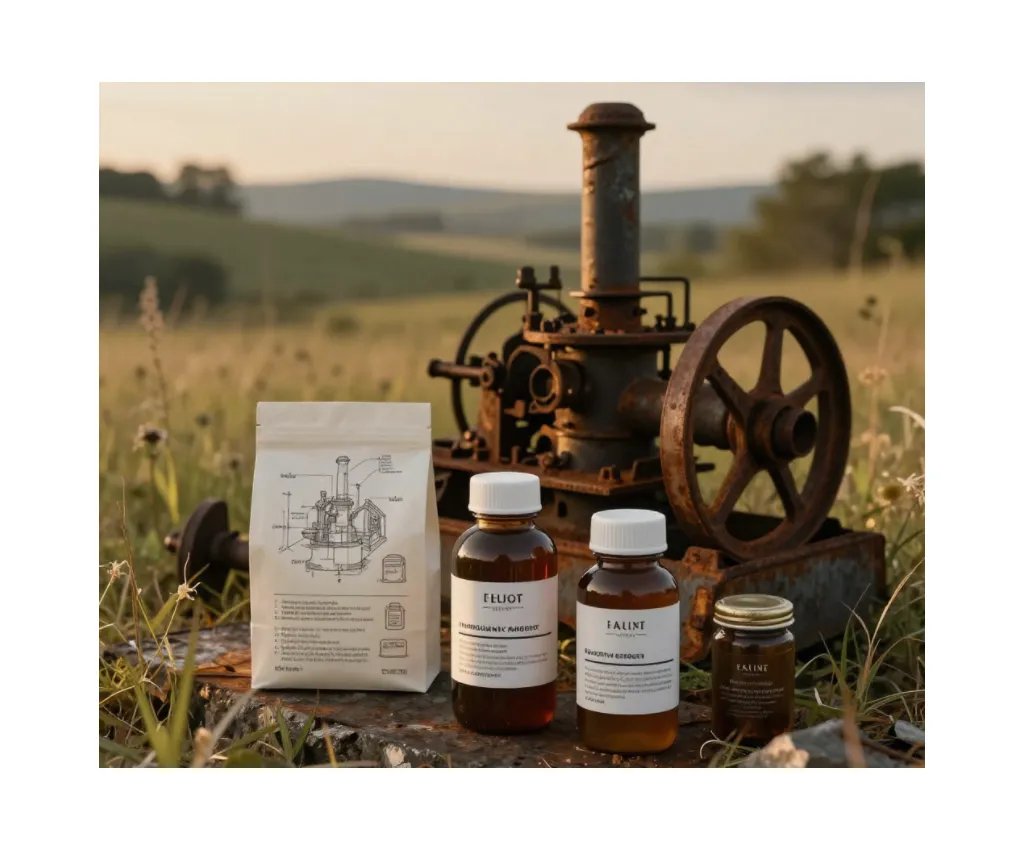
In a food industry dominated by clean-label pressure, solutions do not always come from high-tech laboratories. Sometimes, they are found in the industrial past—in technologies once considered too slow, too costly, or too difficult to standardise.
Natural fermentations, extended maturation processes, and simple mechanical extractions formed the backbone of food production for decades. With accelerated industrialisation, these methods were replaced by fast, predictable processes heavily reliant on additives. Today, however, consumers are demanding exactly the opposite: fewer ingredients, easily explainable processes, and authentic taste.
The renewed interest in slow fermentation in bakery, dairy, and plant-based products demonstrates that “old” technologies can become competitive once again. These processes provide natural microbiological stability, flavour development, and shelf-life extension without aggressive chemical interventions.
Similarly, the controlled maturation of meat products or cheeses—abandoned in many factories due to cost considerations—is returning to the discussion as a premium differentiation strategy. Although such processes require space, time, and specialised know-how, they offer an advantage that is difficult to replicate through additives.
Last but not least, gentle mechanical extractions (cold pressing, physical separation) can reduce dependence on stabilising agents or flavour enhancers.
The challenge is not technological, but economic: how can these methods be integrated into an industry built on large volumes and tight margins? The answer appears to lie in positioning—smaller production batches, higher value-added products, and, above all, clear communication of the production process.
In the clean-label era, some abandoned technologies are no longer a step backward, but a strategy for the future.
(Photo: Freepik)