388

Author
infoAliment
Share on


Published on
2026 February 18
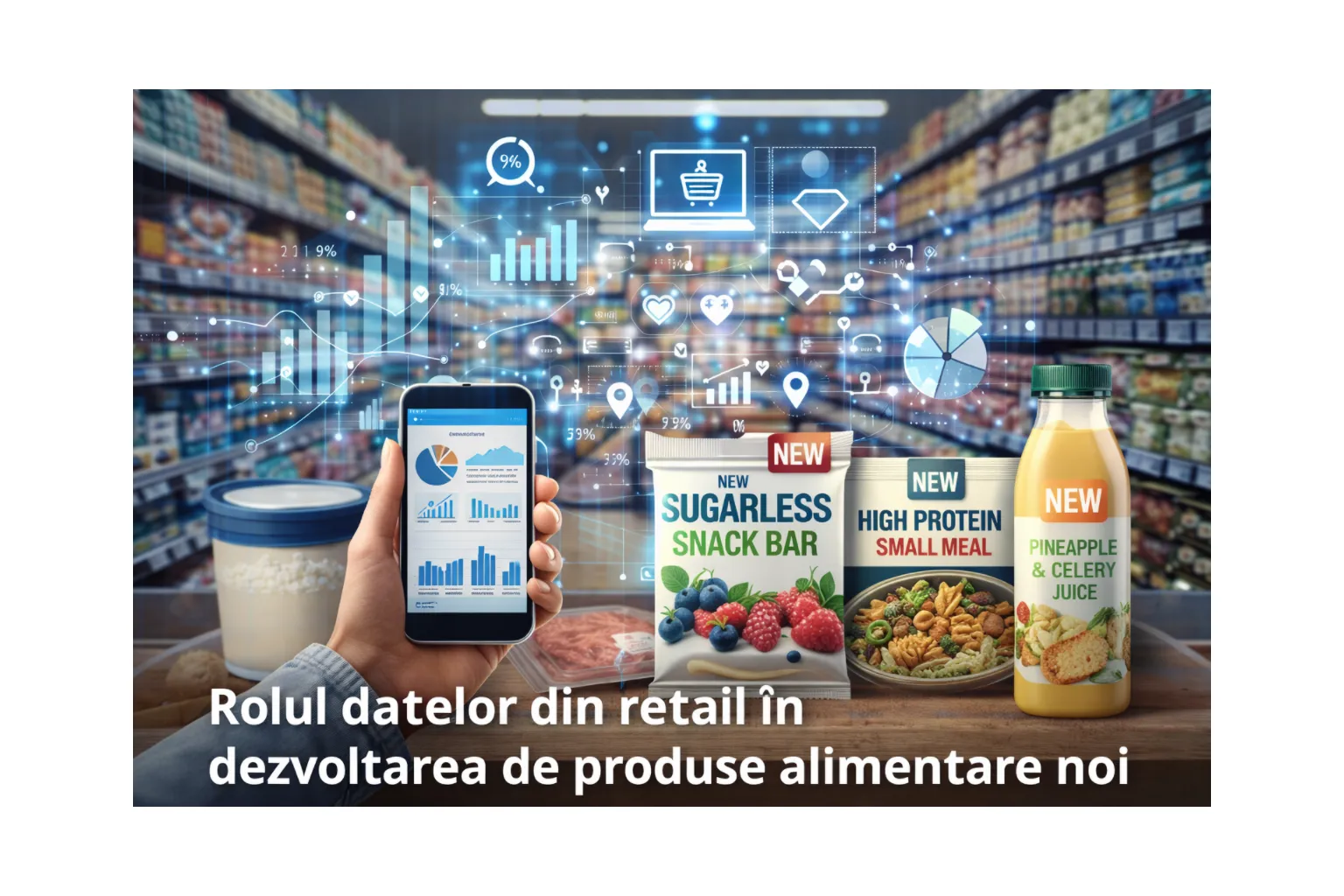
Modern retail is no longer just a sales channel, but a strategic source of intelligence for the food industry. Data generated in stores and online – purchase frequency, product combinations, reactions to promotions – directly influence how new food products are designed.
Producers already use predictive analytics to identify micro-trends before they become mainstream. For example, the simultaneous increase in sales of sugar-free products, small portions, and protein snacks clearly indicates a shift toward functional and convenient nutrition. Based on this information, companies develop products tailored to urban lifestyles, not just culinary preferences.
Another phenomenon is indirect “co-creation”: consumers influence recipes through their purchasing behavior, not through surveys. Retail thus becomes a permanent testing laboratory, where pilot launches are adjusted in real time.
In the future, integrating retail data with data from health and nutrition apps could lead to hyper-personalized products: ranges adapted by age group, activity level, or even local consumption patterns.
The food industry is entering a stage in which a product’s success no longer depends only on taste and price, but on producers’ ability to interpret data and react quickly. Retail thus becomes not only a marketplace, but the silent architect of the future of food.
(Photo: AI GENERATED)