756

Author
infoAliment
Share on


Published on
2025 April 29

As the Cost-of-Living Crisis Continues, Consumers Turn to Small Pleasures Over Big Investments
Statista and Attest Reports Reveal Changing Spending Behaviors Across Europe
According to the latest survey from Statista, the ongoing cost-of-living crisis continues to put pressure on household budgets, prompting consumers to think twice before spending. So, where are they still willing to invest?
Small Pleasures Replace Big Purchases
The crisis is not only reshaping short-term priorities but is also driving long-term changes in consumer behavior.
One of the most noticeable trends emerging across Europe is the rise of “small indulgences” — a shift away from major investments.
While many can no longer afford big-ticket items like a new car or an overseas vacation, they are finding comfort in small rewards, such as a slice of cake or a bar of chocolate.
“Possibly signaling a lack of confidence in the economy, purchase intent for high-value tech items has declined,” said a spokesperson for Attest, a consumer research platform.
According to the Attest Spending Trends Report, intentions to buy:
- A smartphone dropped by 3%, now at 30% of respondents
- A new TV fell by 35%, down to just 13%
- A computer or tablet dropped by 4%, to 17%
Meanwhile, a Barclays Bank survey shows that consumers are spending more on small items that “spark joy,” with spending in this category growing to 53%, up from 47% in August 2024.
Sweet treats such as cakes and pastries remain the most consistently chosen “comfort foods” across this segment.
Dining Out and Takeaway Gaining Popularity
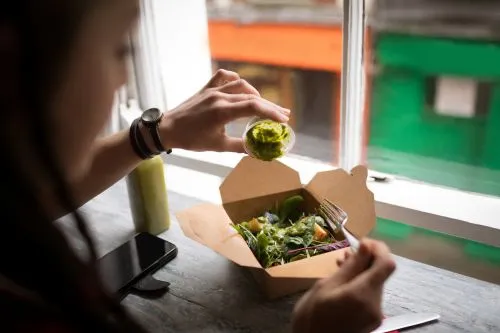
Echoing the "small indulgence" trend, more consumers are choosing to order takeaway or dine out, rather than cook from scratch at home.
“Consumers are increasingly willing to spend a significant amount on prepared food — whether dining out or enjoying takeaway at home,” Attest reports.
Nearly 50% of respondents surveyed by Attest said they dine out at least once per month, while 47% regularly opt for takeaway food.
This preference is also fueling growth in the meal kit delivery market, which is expected to reach $16.12 billion (€14.19 billion) by the end of 2025, with a projected compound annual growth rate (CAGR) of 6.39% over the next four years (Statista).
Age-Based Preferences
- Consumers aged 31–49 show a stronger preference for takeout
- Older generations are more likely to eat at restaurants
- Those under 30 are equally likely to do both
Consumer Confidence Remains Uneven Across Europe
When it comes to consumer confidence, attitudes vary significantly across the continent.
Despite financial concerns in the UK, British consumers remain optimistic, with many believing the economy is headed in the right direction.
“In terms of financial security in the UK, the balance is tipping in the right direction,” says Attest.
- 46% of British consumers feel financially secure
- Only 30.5% feel financially insecure
- Roughly 10% fall at the extremes — either “very secure” or “very insecure”
This growing confidence is a positive signal for future economic strength, likely to boost spending across categories.
By contrast, consumer confidence in the eurozone is declining. According to Trading Economics, the eurozone’s consumer confidence index dropped to -16.7 in April, a 2.2-point fall from March, and below market expectations of -15.
Did you learn something new from this article?
Read also: