439

Author
infoAliment
Share on


Published on
2025 November 05
Urban Food Consumption – Between Convenience and Quality
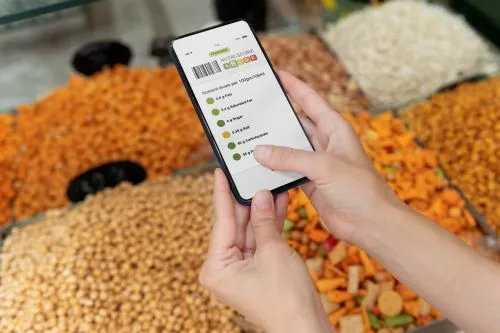
Urban food consumption increasingly reflects the changing lifestyle of the population. According to Euromonitor (2024), over 60% of Europeans say they prefer ready-to-eat or semi-prepared products — but only if they contain natural ingredients and have transparent labeling.
In Romania, the “ready-to-eat” market exceeded €250 million in 2024, up 18% compared to the previous year. The segment is dominated by packaged salads, cooked meat products prepared at controlled temperatures, and protein snacks, according to the National Institute of Statistics (INS). This evolution is driven by the accelerated pace of urban life and by consumers’ desire to save time without compromising on quality.
However, convenience alone is no longer enough. According to the World Health Organization (WHO), 54% of young adults aged 20–35 choose food products based on their health impact. As a result, food companies are investing in recipe reformulation, additive reduction, and sustainable packaging.
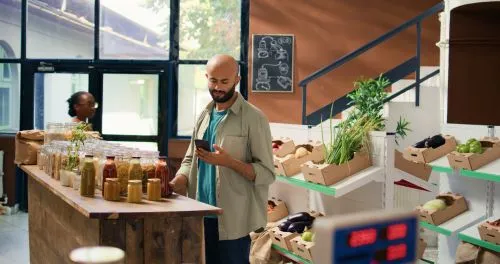
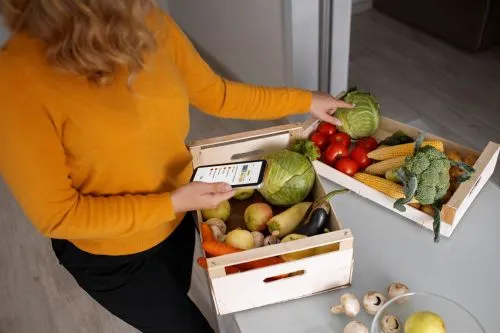
Another emerging trend is the rising demand for local, rapidly delivered food. Online food retail platforms and short distribution chains are gaining popularity, while direct partnerships between producers and consumers ensure complete traceability.
For Romania, the key challenge lies in balancing industrialization and quality. Amid rapid urbanization, the modern consumer demands food that is safe, tasty, and healthy — not just convenient. The food industry now has the opportunity to meet these expectations through responsible innovation, maintaining the vital link between tradition, quality, and technology.
(Photo: Freepik)
Did you learn something new from this article?
Read also: