575

Author
infoAliment
Share on


Published on
2025 November 14

Small and medium-sized slaughterhouses play an increasingly important role in developing short supply chains and supporting local farmers. According to the European Commission (2024), proximity-based slaughter units help reduce transport-related emissions, improve traceability, and enhance meat quality thanks to shorter times between slaughter and processing.
In Romania, data from ANSVSA and MADR show that more than 200 authorized small-capacity units are currently operating, with demand on the rise—particularly in rural and peri-urban areas where family farms are seeking efficient marketing solutions.
A major advantage is operational flexibility. Small abattoirs can comply with European hygiene standards (Regulations EC 852/2004 and 853/2004) with relatively low investment requirements, making them suitable for cattle, sheep, goats and poultry farms. According to FAO, proximity slaughter infrastructure can reduce food losses by up to 15% through proper flow management and faster processing.
However, the challenges remain significant: high costs for qualified personnel, the need to modernize equipment, and pressure to meet strict microbiological safety standards. Funding available through AFIR supports the acquisition of modern equipment—such as evisceration lines, energy-efficient cold rooms and digital monitoring systems.
In the long term, small abattoirs can become a strategic pillar of Romania’s food industry. They support local products, strengthen the resilience of the food chain and provide consumers with access to meat with clear traceability and a reduced environmental footprint.
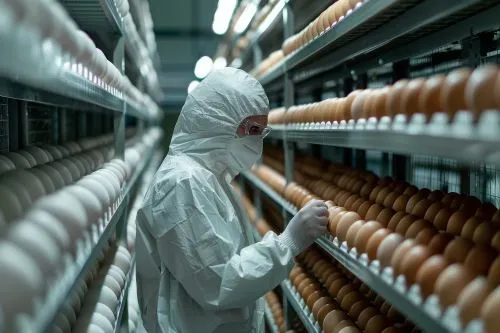
(Photo: Freepik)
Did you learn something new from this article?
Read also: