157

Author
infoAliment
Share on


Published on
2026 February 27
“Alternative protein” is no longer a PR topic, but an investment segment seeking to become an industry: in 2024, European private companies in the plant-based, cultivated meat, and fermentation space attracted approximately USD 509 million (~€470 million), plus an additional ~€63 million in grants (a strong increase compared to the previous year).
The EU context matters more than the technology itself. Cultivated meat can be marketed in the EU only after authorization as a “novel food” (Regulation 2015/2283 and inclusion on the Union list). At present, the official EU list serves as the authorization benchmark, and various public policy analyses indicate that, as of 2025, no cultivated meat product had yet been authorized at EU level. This means that the “threat” in terms of volume remains on the horizon, not an immediate reality.
Where the real risk lies for Romanian processors
Category erosion at shelf level (plant-based) combined with pressure on margins and marketing budgets. Naming and labeling rules may alter launch costs and positioning (e.g., EU debates regarding the use of terms such as “burger” or “sausage”).
Where the opportunity lies (and where money can be made)
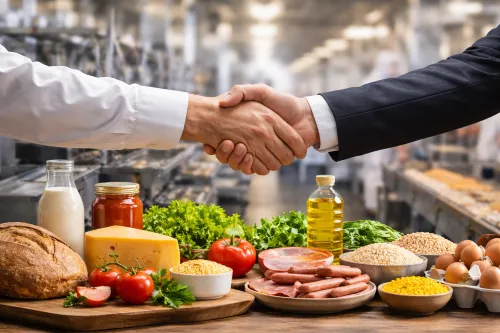
“Ingredient supplier” model: traditional processors enter the market through ingredients (proteins, fibers, flavors, functional fats) – potentially achieving better margins than launching a new retail brand. Co-manufacturing / premium private label: alternative protein companies require capacity, QA systems, traceability, and certifications – precisely the assets mature operators already possess. Fermentation (precision/biomass): the segment with industrial logic closest to traditional food processing (bioprocessing, utilities, HACCP).
Conclusion: for Romania, the winning strategy is not “either/or,” but rather “industrial hedging”: a pilot portfolio of 1–2 plant-based products combined with ingredient partnerships, until EU regulation for cultivated meat becomes clearer.
(Photo: Freepik)
Did you learn something new from this article?
Read also: