264

Author
infoAliment
Share on


Published on
2025 November 03

Europe is undergoing a protein revolution, where tradition and innovation coexist. According to the FAO – Protein Transition Report 2025, demand for protein is expected to increase by 10% by 2030, driven by demographic changes and growing interest in health.
On one hand, alternative proteins — plant-based, microbial, or insect-derived — are gaining ground in the food industry. In 2024, the value of the EU alternative protein market exceeded €6.3 billion, according to Euromonitor. Germany, the Netherlands, and Denmark are leading the transition through investments in research and development.
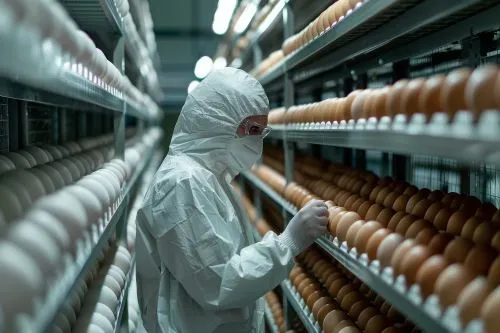
On the other hand, animal proteins remain essential for nutritional balance. Studies by the WHO and EFSA show that mixed diets, combining lean meat, eggs, dairy, and legumes, are the most effective for maintaining muscle mass and reducing the risk of diabetes and obesity.
In Romania, the alternative protein market is still in its early stages, but meat consumption remains stable — over 75 kg per capita annually, according to INS. However, there is growing interest in reformulated products (with reduced fat and salt content). The local food industry has begun exploring hybrid options, combining plant and animal proteins to create healthier and more sustainable products.
The protein transition does not mean exclusion, but adaptation. Europe is moving toward a balanced model, where the diversity of protein sources becomes the key to food security. For Romania, this evolution could bring major opportunities — through innovation, cooperation, and transparent scientific communication with consumers.
(Photo: Freepik)
Did you learn something new from this article?
Read also: