285

Author
infoAliment
Share on


Published on
2026 January 19
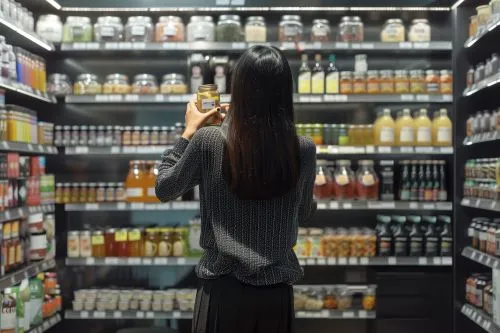
A significant share of the food produced never reaches store shelves, not for sanitary reasons, but because of commercial standards that are invisible to the consumer. Size, shape, color, batch uniformity, or packaging type become exclusionary criteria, even when the product is perfectly edible.
This selection is not publicly regulated, but contractually imposed by retail and distribution chains. For small and medium-sized producers, the cost of adapting to these requirements can be prohibitive. The result is twofold: economic losses at farm level and a reduction in the market’s real diversity.
The distinction between “food quality” and “commercial quality” thus becomes essential. Consumers only see products that meet aesthetic standards, not those excluded before entering the commercial circuit. Redirecting them to other channels is difficult, due to the lack of infrastructure and organized demand.
These invisible standards influence market structure, favor supply concentration, and increase pressure on final prices. The issue is not food quality, but the criteria by which we decide what is worthy of being sold.
(Photo: Freepik)
Did you learn something new from this article?
Read also: