275

Author
infoAliment
Share on


Published on
2026 January 26
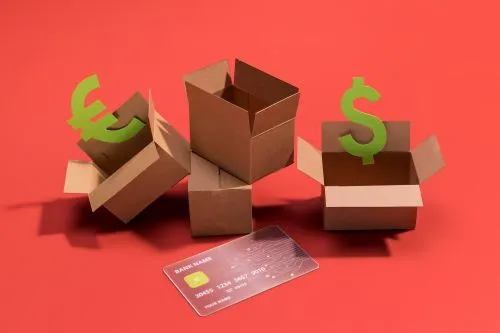
In the food industry, “premium” packaging is often associated with added value, shelf differentiation, and superior positioning. In practice, however, its impact on the total product cost is often underestimated or incompletely analyzed.
The cost of packaging is not limited to the price of the material. Complex packaging involves longer handling times, stricter storage requirements, higher process losses, and, in some cases, increased rejection rates. All these elements translate into additional operating costs that do not explicitly appear in initial calculations.
In addition, premium packaging may require technological adjustments: slower packaging lines, dedicated equipment, or frequent recalibrations. These adjustments affect productivity and can reduce factory flexibility, especially in units operating with medium volumes or diverse product portfolios.
Another rarely discussed aspect is the impact on shelf life. Some premium solutions, although visually appealing or sustainable, offer weaker barrier performance than conventional packaging, generating indirect losses through shorter marketable life.
Ultimately, the market does not always recognize the real cost of packaging. The price difference accepted by consumers is often insufficient to cover the entire chain of costs generated.
Premium packaging can be a strategic advantage, but only when evaluated within a total cost framework and coherently integrated into the production process, rather than treated as a simple marketing element.
(Photo: Freepik)
Did you learn something new from this article?
Read also: