448

Author
infoAliment
Share on


Published on
2025 November 13
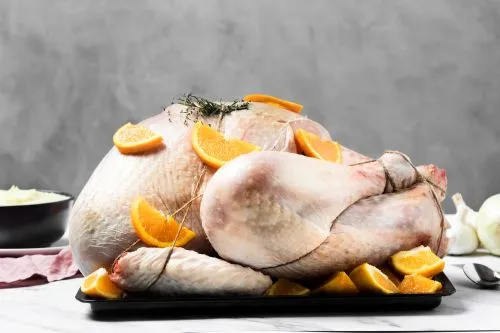
Turkey meat is one of the most valuable sources of high-quality protein, featuring low fat content and a balanced nutritional profile. According to FAO (2024), global turkey meat consumption has increased by more than 9% over the past five years, with Europe accounting for 40% of the world market.
In Romania, annual turkey meat consumption remains modest—approximately 2.3 kg per capita, according to the National Institute of Statistics—yet the trend is upward, supported by campaigns promoting healthy eating. The sector’s growth is particularly visible in modern retail, where the availability of chilled turkey meat and “light” processed products increased by 15% in 2024.
From a nutritional standpoint, turkey meat contains between 20 and 22 g of protein per 100 g, with low levels of saturated fats and cholesterol. The WHO recommends it as a healthy alternative to red meat, especially for individuals with cardiovascular risk.
For producers, the economic advantage lies in lower feed costs and efficient feed conversion. Nevertheless, expanding local production requires investment in modern slaughtering lines, compliance with animal-welfare standards, and access to refrigerated distribution chains.
In the medium term, Romania has the potential to become a competitive regional player in the turkey meat segment, capitalizing on European trends toward balanced diets, lean proteins, and products with clear traceability.
(Photo: Freepik)
Did you learn something new from this article?
Read also: