293

Author
infoAliment
Share on


Published on
2026 February 10
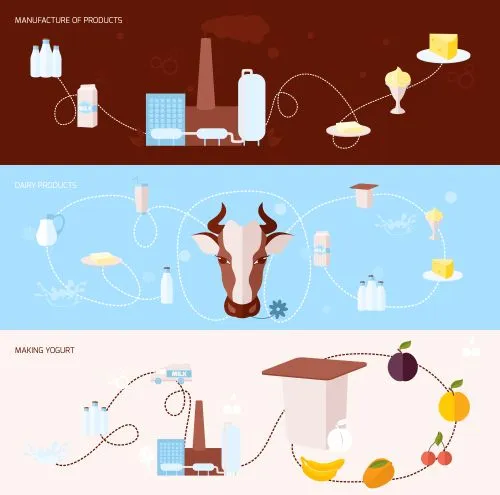
In recent years, the meat and dairy industry has been undergoing a structural shift: the focus is gradually moving from volume to value. Premium products—aged, with controlled origin, clean-label recipes, or regional specificity—are gaining an increasing share in companies’ strategies. This evolution is driven not only by consumer preferences, but also by the economic need to increase margins in a context marked by high costs and intense competition.
The model based exclusively on volume is becoming increasingly difficult to sustain. Costs related to energy, packaging, transport, and compliance are rising, while price competition is reducing profit margins. In this context, differentiation through quality, origin, and processing becomes a strategic option, not just a marketing initiative.
In the dairy sector, long-matured products, local specialties, and premium ranges generate higher added value than standardized products. In the meat industry, the segment of ready-to-cook, premium, or traditionally specific products is gaining relevance in both retail and export markets. These products require greater investments in processing and branding but offer stability and clearer market positioning.
The shift is also visible in relation to exports. Premium products have a greater capacity for differentiation on external markets, where cost-based competition is difficult. For Romanian companies, the transition from volume suppliers to value suppliers becomes a condition for long-term competitiveness.
This transition does not mean abandoning volumes, but recalibrating portfolios. Companies that manage to combine the efficiency of mass production with premium segments will have a clear advantage. In an industry where costs are constantly rising, added value becomes the main differentiator.
(Photo: Freepik)
Did you learn something new from this article?
Read also: