389

Author
infoAliment
Share on


Published on
2025 November 10
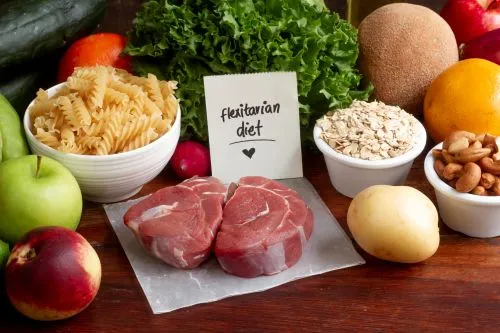
Meat remains a fundamental component of the athletic diet, providing complete proteins, iron, and B-vitamins essential for performance and muscle recovery. According to WHO and FAO (2024), high-quality animal proteins have an absorption rate of 90–95%, compared to 60–70% for plant-based proteins.
Across Europe, the sports nutrition market is valued at over €20 billion, according to Euromonitor, with current trends favoring natural formulas and high-protein products. In Romania, consumption of functional, protein-rich foods increased by 12% in 2024 (INS data), driven by the growing interest in fitness and active lifestyles.
Lean meats — such as chicken, turkey, and young beef — provide an optimal intake of essential amino acids, zinc, heme iron, and vitamin B12, all crucial for energy metabolism. Studies by the European Food Safety Authority (EFSA) confirm the role of animal proteins in muscle tissue repair and fatigue reduction after intense exercise.
However, nutrition experts emphasize balance: combining animal and plant proteins improves digestibility and supports gut microbiota diversity. Properly prepared meat — through slow cooking or steaming — retains its nutritional value without forming harmful compounds.
For Romania, the sports nutrition segment represents an emerging economic opportunity. Integrating locally sourced lean meats and natural supplements into sports nutrition programs could strengthen a new niche — Romanian performance meat — promoted as a functional, safe, and high-quality food.
(Photo: Freepik)