207

Author
infoAliment
Share on


Published on
2026 February 26

During inflationary episodes, the “disappearance” of products does not necessarily mean a physical shortage. Most of the time, the disappearance is economic: the product remains available, but is withdrawn from the assortment, delisted, or becomes rare because it is no longer worth producing, listing, or purchasing.
The first to be affected are, almost invariably, products at the intersection of three vulnerabilities: high unit cost, low turnover, and high substitutability.
- Niche products with low volume Specialties, rare flavors, limited editions, “atypical” pack sizes. In times of inflation, retailers optimize shelf space and keep high-turnover SKUs. The rest give way.
- Premium products without a clear differentiator When purchasing power declines, consumers “trade down”: they switch to cheaper brands or private labels. Premium survives only if it has a clear reason—origin, perceived quality, strong branding.
- Products with costly cold chains Any product requiring complex logistics (refrigeration, short shelf life, higher losses) is reassessed. If the price must increase while demand decreases, the producer reduces distribution or stops production.
- Products with volatile recipes/ingredients When input costs spike suddenly (oils, cocoa, dairy, packaging), some recipes become unprofitable. Reformulation, shrinkflation, or withdrawal may follow.
Conclusion: in inflationary periods, the market “contracts” toward essential, easy-to-understand, high-turnover products. The first to disappear are those that cannot justify their price in a basket dominated by pragmatism.
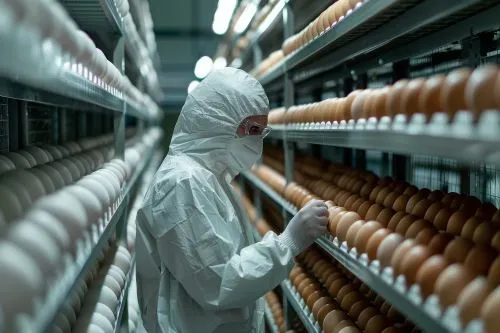
(Photo: Freepik)
Did you learn something new from this article?
Read also: