375

Author
infoAliment
Share on


Published on
2025 November 28

EFSA’s 2024 risk assessments show that the European Union continues to maintain one of the highest levels of food safety in the world. Analysis of incidents reported through the RASFF network confirms that a significant share of food products marketed within the EU achieve a compliance rate of over 98%, particularly in categories where technological standards and legislation are well established. Pasteurized dairy products, heat-treated processed meat, canned foods, bottled drinking water, and eggs from authorized facilities consistently fall into the low-risk category, due to rigorous microbiological control and extensive traceability systems.
In 2024, EFSA highlighted that the fewest alerts were linked to products undergoing stabilization treatments such as pasteurization, sterilization, or controlled acidification. These procedures significantly reduce bacterial load and prevent the development of microorganisms during storage and transport. For heat-treated meat products, the incidence of non-compliances remains below 1%, supported by standardized equipment and regular official inspections.
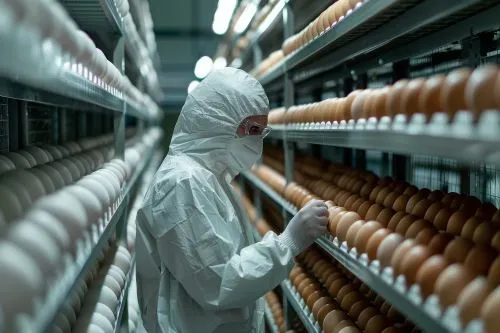
European monitoring networks also indicate very high compliance levels in the category of eggs and egg products, particularly in facilities implementing digital traceability systems. Standards governing food-contact materials further reduce the risk of unwanted compound migration into products such as bottled water.
For consumers, these findings confirm that food produced and sold within the EU benefits from a high level of protection— the result of clear regulations, standardized procedures, and the capacity of member states to intervene rapidly in the event of any non-compliance. European sanitary-veterinary control systems, DG SANTE audits, and strict labelling requirements all contribute to maintaining a high degree of confidence in food products.
In 2025, the food industry is encouraged to uphold these standards through continued investment in process validation, temperature control, and digitalized traceability. High levels of safety are not accidental; they are the outcome of a combination of technology, legislation, and continuous monitoring— factors that remain essential for the competitiveness of Europe’s food sector.
(Photo: Freepik)