240

Author
infoAliment
Share on


Published on
2026 January 28
For decades, taste was the dominant criterion in food product development. Today, however, it is no longer sufficient. In a mature market, differentiation is achieved through a more complex concept: sensory value.
This includes texture, consistency, flavour release, mouthfeel, and even post-consumption perception. From a technological standpoint, these elements are the result of precise decisions: the type of raw material, processing parameters, protein or lipid structure, and fermentation and maturation processes.
In the dairy sector, for example, the same yoghurt recipe can generate radically different products depending on the starter culture, fermentation time, or the thermal treatment applied to the milk. In the meat industry, fibre structure, degree of mincing, or maturation methods directly influence tenderness and juiciness, far beyond simple taste.
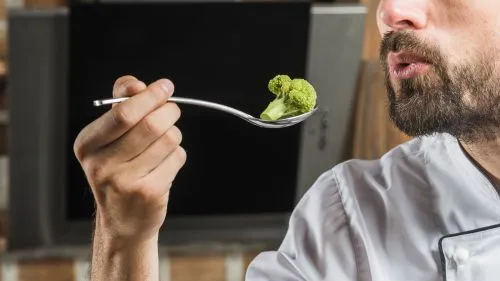
Today’s consumer does not assess a product solely at the first bite. The complete experience—from opening the package to the final sensation—becomes a key driver of loyalty. For this reason, an increasing number of companies are investing in advanced sensory testing and fine-tuning of processes, not just in recipes.
Sensory value is, in essence, the translation of technology into experience. And in an industry where ingredients are becoming increasingly similar, the way a product is perceived becomes the main true differentiator.
(Photo: Freepik)
Did you learn something new from this article?
Read also: