369

Author
infoAliment
Share on


Published on
2025 November 24
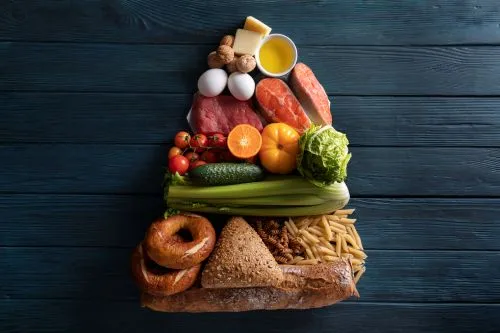
Animal proteins remain a central component of European nutritional recommendations due to their high biological value and superior bioavailability. According to EFSA (2024), the protein requirement for a healthy adult is approximately 0.83 g/kg/day, and at least 40–50% of this intake is typically covered by animal sources such as meat, fish, eggs and dairy.
WHO analyses show that animal proteins significantly contribute to maintaining muscle mass and preventing sarcopenia, especially in adults over 50. They provide essential amino acids in optimal proportions, along with critical micronutrients including heme iron, vitamin B12, zinc and iodine.
Across the European Union, combined consumption of animal proteins remains stable at around 58 g/day, according to Eurostat, with variations between Member States. Nordic and Western European countries record the highest intake levels, while Eastern Europe is experiencing a faster convergence trend due to rising incomes and urban dietary adjustments.
Romania is gradually aligning with the European model. INS data (2024) indicates increasing consumption of white meat and fish, while the share of red meat is stabilising. This evolution reflects both economic improvements and growing interest in healthy eating and cardiovascular disease prevention.
European health authorities recommend integrating animal proteins within balanced dietary limits, combined with vegetables, fruits, whole grains and plant-based protein sources. Mixed diets, validated by WHO and EFSA, remain the most effective approach for supporting public health and ensuring adequate micronutrient intake.
In the long term, the European food industry is adapting through reformulated products, lower salt and fat alternatives, smart packaging and stringent quality standards, supporting consumers in adopting a balanced dietary pattern.
(Photo: Freepik)
Did you learn something new from this article?
Read also: