349

Author
infoAliment
Share on


Published on
2026 January 21

In a market where supply appears abundant, the absence of a product from the shelf has become one of the main sources of frustration for consumers. Paradoxically, it is precisely this increased abundance that has raised expectations regarding availability. The modern consumer no longer easily accepts the absence of a familiar product or frequent changes in assortment.
Constant availability has become a criterion of trust. A product that is consistently present on the shelf conveys stability, reliability, and control over the supply chain. By contrast, repeated absence or frequent alternation with other brands generates a perception of uncertainty, regardless of price or quality.
In many cases, loyalty is not lost because of a direct negative experience, but because of the impossibility of repeating a positive one. If the preferred product is not available, the consumer is forced to choose an alternative. Once this step is taken, returning is no longer guaranteed.
For retailers, availability is no longer just an operational issue, but a strategic one. Inventory management, relationships with suppliers, and delivery predictability directly influence brand perception. In an unstable economic context, the ability to ensure continuity becomes an essential differentiator.
Loyalty is no longer won only through price or promotion, but through consistency. Consumers remain loyal where they know they will find the product they want, at a predictable price, without extra effort. In today’s food retail, availability is one of the most valuable forms of commercial capital.
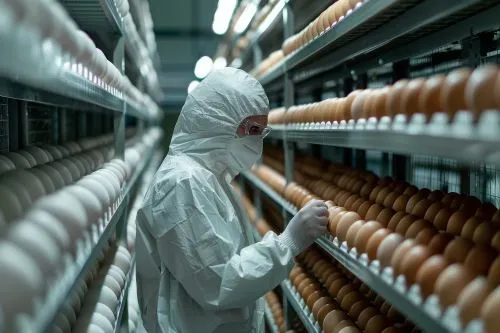
(Photo: Freepik)
Did you learn something new from this article?
Read also: