224

Author
infoAliment
Share on


Published on
2026 February 20

AI, retail, and behavioral marketing in shaping food demand
Food preferences are no longer determined exclusively by culture, tradition, or agricultural supply. Today, they are increasingly influenced by algorithms, data, and the strategies of major players in retail and the food industry. A true “economy of taste” has emerged, in which demand is actively shaped, not merely observed.
Modern retail collects massive volumes of data on purchasing behavior: frequency, product combinations, responses to promotions, and price sensitivity. This information is analyzed using artificial intelligence and shared with producers, who adjust recipes, portion sizes, and product portfolios according to the identified patterns.
Behavioral marketing complements this process. Product placement on shelves, packaging design, simplified nutritional labels, and recommendations in apps influence purchasing decisions in a subtle but constant way. Consumers choose not only what they like, but also what is more visible, accessible, and better supported commercially.
At the same time, product development increasingly relies on rapid testing and continuous optimization. Pilot launches are monitored in real time, and sales performance drives quick reformulations. Taste thus becomes an economic variable, adjusted according to demand and profitability.
In the medium term, control over preferences will depend on access to data and analytical capacity. Companies that own digital infrastructure and maintain direct relationships with consumers will decisively influence the market.
The economy of taste does not imply manipulation, but a structural transformation: preferences are no longer only expressed, but also constructed, within an ecosystem where technology, retail, and production operate interdependently.
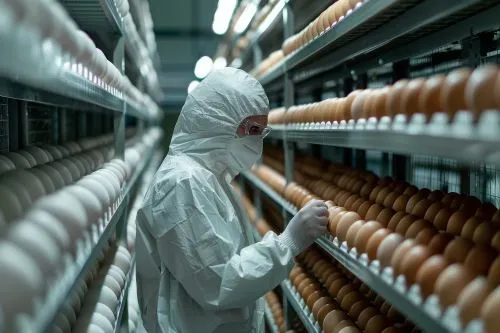
(Photo: AI GENERATED)
Did you learn something new from this article?
Read also: