300

Author
infoAliment
Share on


Published on
2025 December 02
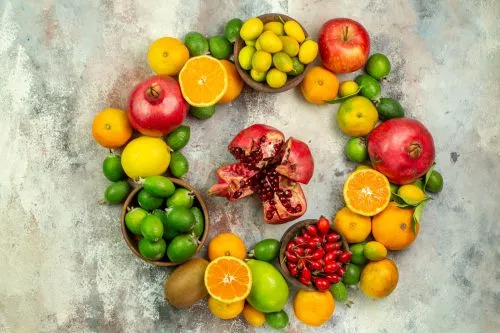
The consumption of fiber-rich fruits is one of the constant recommendations of international health organizations. WHO (2024) recommends a daily intake of at least 25–30 g of fiber, and fruits contribute significantly to this value, while also providing antioxidant compounds and essential micronutrients.
Fruits such as apples, pears, plums, berries, and citrus fruits have a high content of soluble fiber, especially pectins, which support glycemic control and the reduction of LDL cholesterol. According to an EFSA report, a diet rich in fiber is associated with a lower risk of cardiovascular diseases and with overall improvement in digestive health.
In the European Union, Eurostat data (2024) shows an increase in fruit consumption, particularly among the urban population. The Czech Republic, Italy, and Spain record the highest values, exceeding 100 kg per capita annually. Romania is below the European average, with approximately 65–70 kg, but the trend is upward.
For farmers, the growing demand for fiber-rich fruits represents an opportunity, especially for apple and pear orchards, where there is potential for expansion. Local production can also support the processing industry for juices, purées, and minimally processed fruits.
For consumers, the main recommendations focus on variety, the consumption of fresh fruit, and integrating fruit into daily meals. At the same time, excessive consumption of fruit juices should be avoided, as they contain little fiber and have a high sugar content.
Fiber-rich fruits remain essential in daily nutrition, having a direct positive impact on metabolism and overall health.
(Photo: Freepik)