395

Author
infoAliment
Share on


Published on
2025 December 03
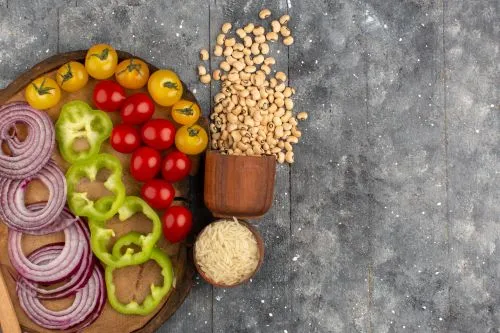
Legumes—lentils, chickpeas, beans and peas—are becoming increasingly important in the structure of the European diet, driven by the protein transition and the growing interest in plant-based sources with high nutritional value. According to EFSA (2024), regular consumption of legumes contributes to reducing LDL cholesterol, maintaining stable glycaemic control and increasing fibre intake.
In the European Union, legume consumption grew by approximately 14% between 2019 and 2024, Eurostat reports, supported by rising urban demand and the expansion of ready-to-use product segments. Italy, Spain and France remain the countries with the highest per capita consumption, while Romania records modest values—3–4 kg annually—with strong potential for expansion.
Legumes contain between 18% and 25% protein and are essential sources of iron, zinc, magnesium and B vitamins. Their proteins do not provide all essential amino acids in optimal proportions, but combining them with whole grains ensures complete nutritional coverage.
On the production side, FAOSTAT (2024) data show an increase in cultivated areas worldwide, owing to legumes’ drought tolerance and their ability to fix nitrogen, thereby improving soil fertility. For Romanian farmers, chickpea and lentil crops can represent opportunities, given their stable demand and relatively low production costs.
The growing interest in legumes is also evident in retail, where the segment of canned products, spreads and ready-to-eat mixes is expanding by over 10% annually, according to aggregated European market data.
Legumes remain a key pillar of a balanced diet, with applications both in household kitchens and in the food industry.
(Photo: Freepik)
Did you learn something new from this article?
Read also: